What if your family could stay connected—no matter the distance or daily chaos?
What if your family could stay connected—no matter the distance or daily chaos? Imagine this: you’re juggling work deadlines, your teenager is buried in homework, and your parents live hundreds of miles away. Everyone’s busy, stressed, and slowly drifting apart. You want to stay close, but real connection feels impossible. What if there was a simple, quiet way to keep your family emotionally anchored—even when life pulls you in different directions? That’s exactly where online support groups quietly step in, not as a fix, but as a gentle bridge. They don’t replace family dinners or weekend calls. Instead, they create soft spaces where understanding grows, one shared story at a time.
The Quiet Struggle: When Family Feels Far, Even Under One Roof
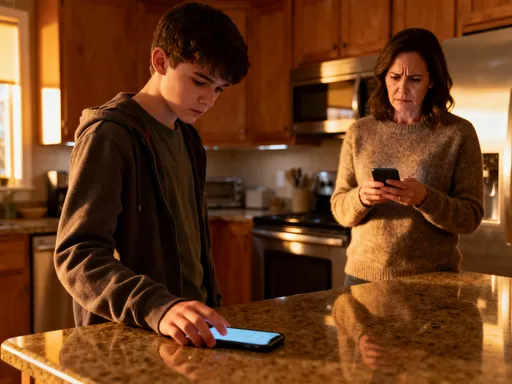
It’s easy to assume that being family means always feeling close. But the truth many of us don’t talk about is this: even under the same roof, we can feel miles apart. You might sit across from your daughter at dinner, both scrolling through phones, neither saying much. Or you call your mom, and after “How are you?” the silence stretches longer than the conversation. These moments aren’t failures—they’re signs of how life has changed. We’re all moving fast, pulled in different directions by work, school, aging parents, and our own quiet worries.
Think about how often we say “I’m fine” when we’re not. That phrase has become a shield, especially in families. We protect each other by not burdening them, but over time, that protection can turn into distance. The teenage years? They’re tough—not just for the teen, but for the parent watching them grow into someone they don’t always understand. And if you’re caring for an aging parent, you might feel alone in your exhaustion, even if your siblings are just a text away. These aren’t crises. They’re everyday realities. And they’re exactly where small emotional gaps begin to grow.
What makes it harder is that we often expect family to “just work.” We think love should be enough to keep us close. But love needs tools, especially now. Technology has given us ways to send photos in seconds and video chat across continents, but it hasn’t always helped us really talk. We have more ways to connect than ever, yet many of us feel more disconnected than before. That’s not your fault. It’s not your family’s fault. It’s just the way life is today—busy, loud, and often emotionally crowded without being truly close.
The good news? You don’t need to fix everything at once. You don’t need long heart-to-hearts or family therapy (unless that’s what you want). What you might need is something quieter, simpler: a space where you can be heard without having to explain everything. A place where someone says, “Me too,” and suddenly, you don’t feel so alone. That’s where online support groups come in—not to replace your family, but to help you show up for them with a little more patience, a little more understanding.
What Are Online Support Groups—And Why Do They Work for Families?
Let’s clear something up: online support groups aren’t therapy. You won’t find diagnoses or treatment plans here. Instead, think of them as digital living rooms—quiet corners of the internet where people who’ve walked similar paths come together to talk, listen, and just be. They’re not flashy or high-tech. They don’t have algorithms trying to sell you something. They’re simple, often text-based spaces where you can share what’s on your mind and know someone will get it—without judgment.
These groups come in many forms. Some are private Facebook groups where parents of teens swap stories about homework battles and curfews. Others are moderated forums for adult children caring for aging parents, where someone might ask, “How do you talk to your mom about memory loss without making her cry?” and get ten thoughtful replies by morning. There are also video-based groups that meet weekly, like a virtual coffee circle, where participants turn on their cameras and just talk—about stress, loneliness, joy, or the small wins no one else notices.
What makes these groups powerful isn’t what they do, but how they make people feel. It’s the relief of saying, “I don’t know how to help my son,” and hearing, “I’ve been there. You’re not failing.” It’s the comfort of reading a post from someone in a different state who’s dealing with the same exact issue—same age kids, same work stress, same quiet grief. That kind of connection doesn’t solve your problems, but it lifts the weight of carrying them alone.
And here’s the thing: these spaces don’t require you to be “on.” You don’t have to perform, fix anything, or have the right answer. You can just read. You can stay silent for weeks and still feel like you belong. That’s rare in real life, especially in families where we often feel pressure to have it all together. In these groups, showing up—even quietly—counts. It’s not about solving, fixing, or changing anyone. It’s about being seen. And when you feel seen, you start to listen differently. You come home a little softer, a little more present.
Finding the Right Space: Matching Your Family’s Needs to the Right Group
Not every group is right for every family, and that’s okay. The key is finding a space that feels like a good fit—like finding a new grocery store where they carry your favorite brand, or a walking trail that’s peaceful, not crowded. Some people need emotional support—just a place to vent or feel understood. Others want practical advice: how to talk to a teenager about anxiety, how to help a parent transition to assisted living, how to set boundaries without guilt. And some just want to know they’re not the only one.
So how do you start? Begin by asking yourself: what do I really need right now? Is it comfort? Information? Just someone who gets it? Once you know that, you can search more wisely. Look for groups hosted on trusted platforms—like nonprofit organizations, hospitals, or well-known community sites. Avoid anything that feels salesy or pushes products. A good group won’t pressure you to share personal details or buy a course. It will have clear guidelines, a respectful tone, and a sense of safety.
Take your time. Join a few and just observe. Read the posts. See how people respond. Do they listen? Do they offer support without jumping in to fix things? Do they respect privacy? If someone shares something hard, do others reply with empathy, or with advice like “You should just…”? The best groups feel like a warm hug, not a lecture. They’re places where “I don’t know what to say, but I’m here” is a perfectly okay response.
And remember: it’s okay to leave if a group doesn’t feel right. You’re not failing if a space doesn’t work for you. It’s like trying on shoes—some look good but don’t fit. Try another. There are groups for parents of teens, for caregivers, for women navigating midlife changes, for families dealing with long-distance care. Some are faith-based, others are secular. Some are for specific health conditions, others focus on emotional well-being. The internet has made it possible to find your people—even if they live in another time zone.
Starting the Conversation: How to Bring Up Online Support Without Awkwardness
Here’s the real talk: many of us hesitate to suggest a support group because we’re afraid it will sound like something’s wrong. We worry it’ll feel like saying, “Our family isn’t close enough,” or “You need help.” But what if we stopped seeing these groups as a sign of struggle and started seeing them as a tool—like a family calendar, a shared playlist, or a recipe app? Something that just makes life a little easier, a little more connected.
So how do you bring it up without making it a big deal? Keep it light. Try something like, “I found this group online where parents talk about raising teens—some of the stories are so real. Want to check it out with me?” Or, “There’s a forum for people caring for aging parents. I read a post yesterday that made me feel less alone. I’ll send you the link if you’re curious.” No pressure. No expectation. Just an invitation.
You could even make it a shared experiment. “Let’s try it for a month,” you might say. “We don’t have to post. We can just read. See if it helps.” Frame it as something you’re doing for yourself, not because the family is broken. Because it’s not. You’re just looking for ways to stay close in a busy world. And honestly? That’s something to be proud of.
If someone pushes back, that’s okay. You might hear, “I don’t need that,” or “That’s not for me.” Don’t argue. Just say, “Totally get it. I’m not saying we have to join. I just thought it was interesting.” The goal isn’t to convince anyone—it’s to open the door. Sometimes, just knowing the option exists can make a difference. And who knows? A month later, your sister might text you, “Remember that group you mentioned? I joined. One of the posts felt like it was written about me.”
Making It a Habit: Small Steps to Keep Everyone Engaged
The hardest part of any new habit isn’t starting—it’s sticking with it. We’ve all downloaded apps we never opened again or signed up for things we forgot about. Online support groups are no different. The real magic isn’t in a one-time visit—it’s in showing up, even in small ways, over time.
So how do you make it part of your rhythm? Start small. Pick one day a week—maybe Sunday night, when things are quiet—and spend ten minutes reading posts. Make it part of your routine, like checking the weather or planning meals. If you’re in a video group, treat it like a coffee date. Put it on your calendar. Set a reminder. Wear something cozy. Make it something you look forward to, not another chore.
If you’re sharing the experience with family, make it gentle. Maybe you and your sister read the same group and send each other a quick note: “Saw a post today about dealing with guilt—totally me this week.” Or maybe your teen doesn’t want to join, but they’re okay with you sharing something you read: “There was this mom in my group whose son said the exact same thing yours did. She wrote about how she responded. Want to hear?” No pressure. Just connection.
You can also use shared devices to make it easier. Leave the group page open on the family tablet. Set up a shared folder with helpful posts or resources. Or assign a rotating “note-taker” role—if someone reads something powerful, they share it at dinner. These small acts build momentum. They turn a digital space into a living part of your family life. And over time, something shifts. You start to listen differently. You respond with more patience. You carry the group’s kindness home with you.
When It’s Not Working—And That’s Okay
Let’s be real: not every group will be a perfect fit. Not every family member will want to join. And that’s completely okay. You might try a space and realize it feels too intense, too quiet, or just not right. Someone might join and then disappear after a week. Life gets busy. Emotions shift. That doesn’t mean you failed. It means you tried—and trying is what matters.
If a group isn’t working, give yourself permission to step back. No guilt. No second-guessing. You can always try again later, or try a different one. And if someone in your family isn’t interested, don’t push. Their journey is theirs. You can’t make someone feel connected—you can only create space for it to grow.
And if the group idea just doesn’t stick, that’s fine too. Maybe what your family needs isn’t a group, but smaller, simpler connections. A daily text thread. A shared voice note every Sunday. A five-minute call just to say, “I saw something today that made me think of you.” These small acts matter just as much. The goal isn’t to follow a formula—it’s to stay close in a world that pulls us apart.
Be kind to yourself. You’re doing your best. You’re looking for ways to love your family well, even when it’s hard. That’s not weakness. That’s strength. And whether you stay in a group for years or just a few weeks, you’ve already done something important: you’ve reached out. You’ve said, “I want us to be close.” And that intention? That’s where real connection begins.
The Ripple Effect: How Small Connections Strengthen the Whole Family
Here’s something beautiful: when one person feels heard, the whole family benefits. It’s like dropping a pebble in a pond—the ripples spread farther than you can see. When you join a support group and someone says, “Me too,” you carry that relief home. You’re a little less tense at dinner. You listen more when your daughter talks about her day. You pause before reacting when your mom repeats the same story—for the third time this week.
These groups don’t replace family time. They enrich it. They give you tools you didn’t know you needed: patience, empathy, the courage to say, “I’m not okay.” And when you bring those things home, your family changes—quietly, gently. Maybe your brother starts sharing more because he sees you’re not hiding your struggles. Maybe your teen feels safer opening up because they’ve noticed you’re softer, more present.
And over time, something shifts in how you all relate. You stop expecting perfection. You start valuing honesty. You learn that connection isn’t about having long talks every night—it’s about small moments of being seen. A shared laugh over a post. A text that says, “This reminded me of us.” A silence that no longer feels empty, but peaceful.
Technology often gets blamed for pulling families apart. But used with heart, it can do the opposite. It can help us stay human, stay close, stay kind. Online support groups aren’t a magic fix. But they are a quiet, powerful way to say: I care. I’m listening. We’re in this together. And sometimes, that’s exactly what a family needs to stay connected—not despite the chaos, but right in the middle of it.