From Chaos to Calm: How Smart Homes Gave Me Back My Time and Peace
Imagine this: you’re juggling work emails, dinner prep, and your child’s homework—all while the house feels like it’s spinning out of control. You’re not lazy, and you’re not failing—you’re just managing too much. I was there too, until I realized the solution wasn’t doing more, but letting my home do more for me. This isn’t about flashy gadgets; it’s about creating a space that listens, responds, and helps. Let me show you how smart home systems quietly transformed my daily chaos into calm, organized living.
The Breaking Point: When “Busy” Became Unbearable
There was a Tuesday—like any other, except it wasn’t. My youngest forgot his school project was due, my older daughter missed the bus because no one heard the alarm, and I burned the chicken casserole while on a work call. The house was a tornado of half-open cabinets, mismatched socks on the stairs, and unanswered texts from the PTA. I sat on the edge of the bathtub that night, staring at my reflection, wondering how I’d gone from feeling capable to constantly overwhelmed. I wasn’t failing because I didn’t care. I was failing because I was trying to do everything manually—every light switch, every thermostat adjustment, every reminder—all resting on my shoulders.
That moment changed everything. I realized I didn’t need more willpower. I needed support. And not from another app on my phone or another checklist on the fridge—I needed my home to step in. I started asking myself: what if the house could help? What if the lights could turn off on their own? What if I could check whether the oven was still on from my office? What if my kids could follow routines without me shouting from the kitchen? It wasn’t about becoming a tech expert. It was about becoming a calmer, more present version of myself. And that’s when I began my journey into smart home living—not as a gadget lover, but as a mom who just wanted to breathe again.
I didn’t start big. I didn’t replace every appliance or install a full surveillance system. I started with one room. One habit. One small win. And slowly, the house began to feel less like a battleground and more like a partner. The truth is, we weren’t designed to remember everything. Our brains weren’t built to track whether the garage door closed, if the laundry finished, or if the milk expired. But technology can. And when it does, it doesn’t make us lazy—it makes us free. Free to focus on the things that matter: bedtime stories, quiet conversations, or simply sitting down with a cup of tea without worrying about the iron left on.
First Step: Lighting the Way to Simplicity
My first real step into the smart home world was lighting. I know it sounds simple—lights, right? But hear me out. Lighting sets the mood, the rhythm, the energy of a home. Before, I was the human switchboard: “Turn off the bathroom light!” “Why is the kitchen still on?” “Did anyone shut off the porch light?” It was constant. And worse, it wasn’t just about saving electricity—it was about the mental load of remembering.
So I replaced a few key bulbs with smart ones. Nothing dramatic—just the living room, kitchen, and my kids’ bedrooms. I linked them to a voice assistant I already used for weather and timers. The first time I said, “Hey, turn on the kitchen lights,” while my hands were full of grocery bags, I felt a tiny spark of relief. No fumbling. No putting things down. Just light, on demand.
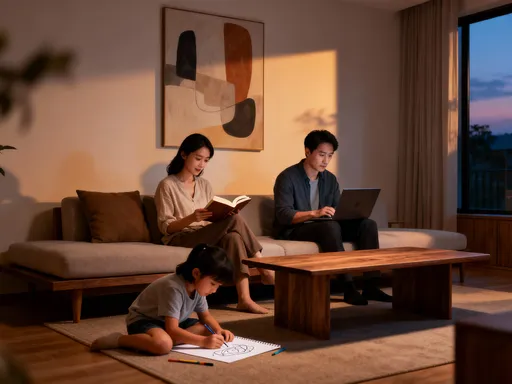
But the real magic happened when I set up schedules. I programmed the lights to turn on gently at 6:30 p.m., just as the sun was setting. No more walking into a dark house after a long day. The living room glowed with a warm, soft hue—calming, not harsh. I set the kids’ rooms to dim at 7:30, signaling it was time to wind down. No yelling. No nagging. Just a quiet shift in the atmosphere that said, “Homework is over. Time to relax.”
One evening, my daughter looked up from her book and said, “I like when the lights get softer. It feels like the house is saying goodnight.” That hit me right in the heart. This wasn’t about convenience—it was about creating a home that cared. That responded. That helped us move through the day with less friction and more peace. Lighting became our silent conductor, guiding us from one part of the day to the next, without a single word from me.
The Kitchen That Remembers: Reducing Daily Friction
The kitchen used to be my stress zone. Between meal planning, cooking, and cleaning, it felt like I lived there—and not in a good way. I’d forget to preheat the oven, burn garlic because I got distracted by a text, or open the fridge only to realize I was out of eggs—again. The mental load was real. Every decision, every reminder, every timer—it all added up.
Then I added a smart speaker to the kitchen. Not for music—though we do play Taylor Swift while making pancakes—but for hands-free help. Now, when I’m elbow-deep in dough, I can say, “Set a timer for 12 minutes,” and it’s done. I can ask for a recipe step without wiping my hands to check my phone. “How long do I bake these cookies?” “What’s the next step in the lasagna?” It’s like having a helpful friend nearby, one who never judges my messy counter.
Next came the smart oven. I didn’t replace my old one—just added a smart plug and a temperature probe I could monitor from my phone. Now, when I’m helping with homework and dinner is in the oven, I get a notification when it’s done. No more burning. No more guessing. And if I need to stay late at a school event, I can delay the cook time remotely. That alone saved me from three ruined meals in the first month.
Then there’s the fridge. Mine isn’t fully smart, but I use a simple app to track what’s inside. I scan groceries as I put them away, and the app reminds me when milk is near expiration or when we’re low on coffee. My kids even started using it—my son added “chocolate milk” to the list after school, and I got a notification. No more forgotten items or last-minute store runs. These aren’t life-changing on their own, but together? They’ve taken so much off my plate. The kitchen no longer feels like a battlefield. It feels like a place where things work—smoothly, quietly, without me having to carry it all.
Morning Routines, Reinvented
Mornings used to be chaos. Alarms blaring, someone couldn’t find their shoes, the coffee maker wasn’t on, and the house was freezing. I’d rush around, trying to get everyone moving, only to end up snapping at the kids for something small—like leaving their backpack by the door. I hated that version of myself. I didn’t want to start the day stressed. I wanted to begin with calm, with connection, with intention.
So I redesigned our mornings—with help from automation. I started with the coffee maker. I linked it to my smart home system so it begins brewing at 6:15 a.m., just as my alarm goes off. The smell of fresh coffee fills the kitchen before I even get out of bed. That small comfort—knowing my first cup is ready—makes a huge difference in my mood.
Next, I adjusted the thermostat. It used to be cold in the morning, so I’d wake up and immediately turn up the heat. Now, it automatically warms the house starting at 6:00 a.m., so by the time I step out of bed, it’s cozy. No shivering. No stumbling to the thermostat. Just warmth, waiting for me.
Then came the lights. I set them to gradually brighten in the bedroom, mimicking a sunrise. It’s so much gentler than a loud alarm. My kids respond better too—they wake up more naturally, less groggy. I even set a “good morning” routine: lights on, news brief playing softly, thermostat adjusted, blinds opening slowly. With one voice command, the whole house wakes up with us.
The change was subtle but powerful. No more rushing. No more yelling. Just a smooth, quiet start. My daughter now says, “The house is awake,” when the lights come on. And she’s right. It is. And because the house is awake, I can be more present. I have time to hug the kids, to ask about their dreams, to sip my coffee without multitasking. That extra 10 minutes of peace? It’s priceless.
Peace of Mind When You’re Away
One of my biggest sources of stress used to be leaving the house. Did I lock the door? Did I turn off the stove? Is the dog okay? I’d be halfway to work and suddenly panic, wondering if I’d forgotten something. That constant doubt—it wore me down. I couldn’t focus in meetings because part of my brain was still at home, scanning for mistakes.
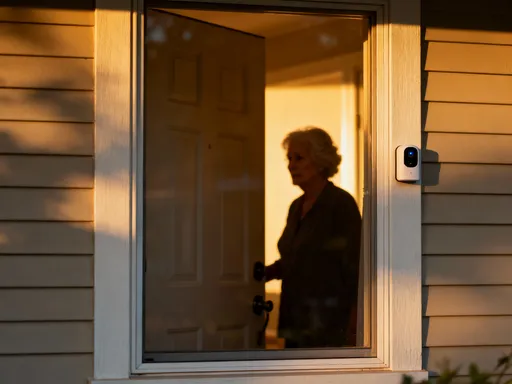
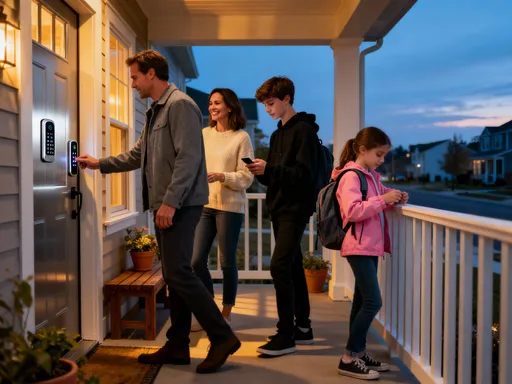
Then I added smart locks and security cameras. Not because I was worried about break-ins, but because I wanted reassurance. Now, I get a notification when the front door locks automatically at 8 a.m. If I’m unsure, I can check my phone and see the lock status in seconds. Same with the oven and lights—I can turn them off remotely. One day, I was at a doctor’s appointment and remembered I’d left the iron on. A quick tap on my phone, and it was off. No driving back. No stress. Just peace.
The cameras are another layer of comfort. I have one in the living room, pointed at the dog’s bed. I can check in during the day and see him napping, or catch the delivery person dropping off a package. It’s not about spying—it’s about connection. When my son is at a friend’s house and asks, “Is Max okay?” I can show him a live clip. “See? He’s just dreaming about squirrels.” It’s a small thing, but it brings us all closer.
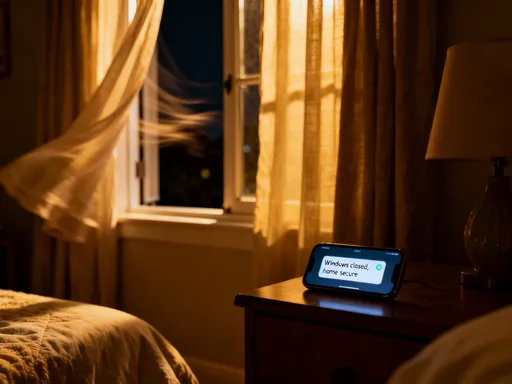
And when we travel? Huge relief. I can arm the security system with one tap. I get alerts if a door opens or motion is detected. The garage door closes automatically if I forget. I can even turn on lights remotely to make it look like someone’s home. Last winter, we were away for five days, and I never once worried. That freedom—to truly unplug, to enjoy a vacation without mental baggage—is one of the greatest gifts my smart home has given me.
Family Harmony Through Shared Control
I’ll admit, I was nervous at first about letting everyone use the system. I thought, “What if they change the settings? What if they turn on loud music at midnight?” But I quickly realized: this wasn’t about control. It was about collaboration. When everyone has access, everyone can contribute.
I created a family dashboard on our tablet—simple, easy to use. It shows the temperature, lighting modes, upcoming routines, and even chore reminders. My teenager uses it to set “study mode”: soft lights, calming playlist, no notifications. My husband sets “weekend mornings” with slower wake-up lights and pancake music. Even my eight-year-old knows how to dim the living room for movie night.
We also use shared routines. On school nights, at 7:45, the lights dim, the TV turns off, and a gentle chime plays. It’s not me nagging—it’s the house reminding us it’s time to wind down. And because we all helped design it, they listen. My daughter even suggested adding a “homework focus” mode with white noise and desk lighting. We set it up together. Now, she activates it herself.
What surprised me most was how it brought us closer. We talk more about how we want the house to feel. We collaborate on solutions. It’s not about rules—it’s about creating a home that works for all of us. And when my son says, “Can we turn on cozy mode?” I smile, because I know he’s not just asking for dim lights. He’s asking for comfort. For safety. For home.
The Real Upgrade: More Than Devices—More Me Time
After a year of living in a smarter home, I started to notice something unexpected: I had more energy. Not because I was doing less, but because I was doing less mental labor. The constant background noise of “Did I…?” “Should I…?” “Need to remember…” had faded. My brain wasn’t cluttered with small tasks. And that space? I filled it with things that matter.
I started reading again—real books, not just articles on my phone. I took up yoga, even if it was just 15 minutes in the living room before bed. I had deeper conversations with my kids because I wasn’t distracted by checking the oven or turning off lights. I even started journaling. These aren’t grand achievements, but they’re mine. And they wouldn’t have happened if I hadn’t reclaimed that time and mental clarity.
One evening, I sat on the couch after everyone went to bed. The house was quiet. The lights were low. The thermostat had adjusted for night. I didn’t have to do anything. I just sat. And for the first time in years, I felt truly at peace. Not because everything was perfect—but because I wasn’t carrying it all. The home was holding things for me. Supporting me. Letting me just *be*.
That’s the real benefit of a smart home. It’s not about impressing guests with voice-controlled lights. It’s about creating space—for rest, for joy, for connection. It’s about giving yourself permission to slow down, because the house has your back. You’re not replaced. You’re reinforced. You’re not lazy. You’re wise enough to use tools that make life better.
Your Home Can Work for You, Not Against You
If you’re feeling overwhelmed, know this: you don’t have to live like that. You don’t need a full smart home overhaul to start. Begin with one thing—the light that turns on when you walk in, the speaker that reads recipes, the lock that confirms it’s secure. Pick one pain point and let technology help. You’ll be surprised how one small change can ripple through your whole day.
This isn’t about chasing the latest tech trend. It’s about designing a life that feels easier, calmer, more joyful. It’s about building a home that doesn’t add to your load—but lifts it. You deserve to feel present. You deserve to feel in control. And you deserve to feel at peace.
So take a breath. Look around. What’s one thing your home could do for you? Start there. Let it help. Because when your home works for you, you’re free to be exactly who you want to be—calm, capable, and completely yourself.