From Overwhelmed to in Control: How Food Delivery Apps Became My Kitchen’s Best Friend
Life used to feel like a constant juggling act—work deadlines, family meals, grocery runs, and that ever-present question: What’s for dinner? I’d stare into the fridge, hoping inspiration would strike, only to end up stressed and ordering something unhealthy. But everything shifted when I stopped seeing food delivery apps as just a shortcut and started using them as a real tool—one that supports my time, my budget, and even my family’s picky tastes.
Now, I don’t just order meals—I manage them. These apps help me plan, save, and stay calm on chaotic evenings. They’ve become less about indulgence and more about practical support. If you’ve ever felt buried under mealtime pressure, this is for you. Let’s turn that stress into strategy—together.
The Dinner Dilemma: When Cooking Feels Like a Full-Time Job
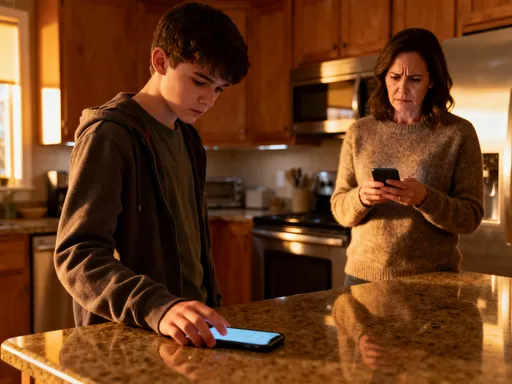
Remember those quiet family dinners from childhood? The kind where everyone sat around the table, relaxed and laughing, while a warm meal brought the room together? That image still lives in my heart—but reality looks a little different these days. Between school drop-offs, back-to-back meetings, and laundry that never ends, dinner has become less of a ritual and more of a battlefield. I’m not alone in this. So many of us love feeding our families, but the mental load of planning, shopping, prepping, and cooking—night after night—can feel crushing.
It’s not just the physical work. It’s the thinking. What do we eat tonight? Do we have the ingredients? Will the kids eat it? Is it healthy enough? What about Dad’s new dietary preference? By the time I walked in the door after a long day, my brain was already full. The last thing I wanted was to stand over a hot stove, debating whether to defrost chicken or make pasta again. I’d open the fridge, scan the shelves, and feel that familiar knot in my stomach. Nothing here. Not because there was no food, but because there was no idea, no energy, no plan.
And then came the fallback: last-minute takeout. But even that felt messy. I’d scroll through options, overwhelmed by choices, worried about sodium levels, or whether the delivery time would line up with homework help. What started as a way to feed my family often left me feeling like I’d failed them. Like I should’ve been stronger, more organized, more… capable. But here’s what I’ve learned: capability isn’t about doing everything yourself. It’s about knowing when and how to use the tools that make life work better. And for me, that tool turned out to be something I’d once dismissed—my phone.
First Impressions: Why I Used to See Apps as a Guilty Pleasure
I’ll admit it: I used to feel a little ashamed every time I opened a food delivery app. It felt like hitting the easy button when I should’ve been pressing on through. I grew up hearing messages like “a good home-cooked meal says love,” and somewhere along the way, I internalized that. If I wasn’t chopping vegetables at 6 p.m., I wasn’t doing enough. Ordering in felt like giving up. Like I’d let the chaos win.
There was also the cost. I’d see the final price—delivery fee, service charge, tip—and wince. Could I have made this for less? Probably. But what those numbers didn’t show was the value of my time, my energy, and my peace of mind. I wasn’t just paying for food. I was paying to avoid the argument with my teenager about why dinner was late, or the meltdown when the oven broke mid-roast. I was paying to keep my evening calm.
And yet, I still hesitated. I’d close the app, sigh, and pull out a pot. Only to end up frustrated, tired, and serving something no one really wanted. The guilt of ordering was real, but so was the guilt of serving a meal no one enjoyed because I was too drained to cook with joy. It took me a while to realize that using technology to support my home life isn’t weakness—it’s wisdom. These apps aren’t replacing love or care. They’re helping me deliver it in a sustainable way. The shift didn’t happen overnight. It started with permission—to rest, to simplify, to use what’s available. And once I gave myself that grace, everything changed.
The Turning Point: One Busy Week That Changed Everything
It was a Tuesday when everything fell apart. My youngest woke up with a fever, my boss moved up a deadline, and the dishwasher flooded the kitchen floor. I stood in my pajamas at 10 a.m., holding a soaked towel, wondering how I was going to get through the day—let alone the week. That night, I had zero energy to cook. Zero ideas. Zero patience. My husband was working late. My older daughter had a test the next morning. And I just… stopped.
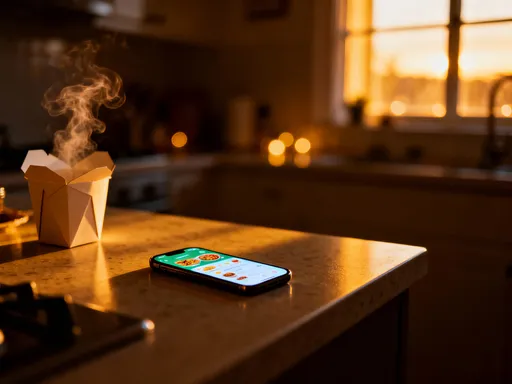
Instead of forcing myself to make something, I opened a food delivery app. I searched for nearby family-friendly places with healthy options. Within minutes, I’d ordered grilled salmon for me, a cheese quesadilla for my daughter, and a veggie bowl for my son. I scheduled delivery for 6:30—just after homework time. No driving. No parking. No last-minute panic.
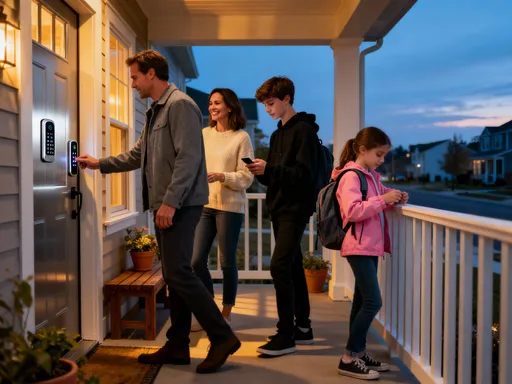
When the doorbell rang, it wasn’t just food that arrived. It was relief. The kids sat down, ate without complaint, and even talked about their day. I didn’t have to stand over the stove. I didn’t have to mediate food fights. I could just be with them. That one night cracked something open in me. I realized I wasn’t failing by using the app—I was protecting what mattered most: our time together.
The next few days followed the same rhythm. Wednesday: soup and sandwiches from a local café. Thursday: a pre-made stir-fry kit delivered to my door—just needed five minutes in the pan. Friday: a real home-cooked meal, because I finally had the mental space to enjoy it. That week didn’t feel perfect. But it felt manageable. And for the first time in months, I didn’t go to bed dreading tomorrow’s dinner. I’d discovered something powerful: sometimes, the best way to care for your family is to care for yourself first. And that might mean clicking a button instead of turning on the oven.
Beyond the Order: Using Apps for Meal Planning and Budgeting
Here’s a secret I didn’t expect: I now use food delivery apps even when I’m not ordering. Sounds strange, right? But hear me out. Every Sunday, instead of flipping through cookbooks or scrolling Pinterest for hours, I open the app and browse menus like they’re recipe inspiration. Seeing real meals—complete with photos, ingredients, and prices—helps me visualize what my family might actually eat. I save dishes I like to a favorites list, and that becomes my meal plan for the week.
For example, I saw a quinoa bowl with roasted vegetables and tahini dressing at a local Mediterranean spot. I didn’t order it—but I made it at home the next night using similar ingredients from the grocery store. The app gave me the idea, the structure, and even the portion size. It’s like having a personal chef guide me, without the price tag. I’ve also started comparing prices across restaurants and grocery stores. If I see a salmon dish priced at $16 on the app, I’ll check if buying fresh salmon and prepping it myself costs less. Sometimes it does. Sometimes it doesn’t—and that’s okay. Knowing the real cost helps me make intentional choices.
Budgeting has also gotten easier. Many apps let you filter by price range, so I can quickly find meals under $12 per person. I set a weekly spending limit for delivery and track it like any other household expense. And when I do order, I look for restaurants offering family bundles or discounts for first-time users. Some even have loyalty programs—earn ten orders, get one free. These small savings add up, and I no longer feel like I’m splurging every time I press “confirm.”
The biggest change? I’ve stopped seeing these apps as a backup plan and started treating them as part of my kitchen toolkit. They don’t replace cooking. They enhance it. They help me make smarter decisions, reduce food waste, and keep my family fed without burnout. And honestly, that’s worth every penny.
Family Harmony: Feeding Different Tastes Without the Fight
If you’ve ever tried to feed a family of four with four different opinions on food, you know the struggle. One wants pasta. One wants tacos. One only eats white foods. And one is suddenly “vegan until further notice.” I used to try to please everyone by making multiple versions of the same meal. Two pans of chicken—one with sauce, one plain. Three sides of vegetables, just in case. By the end, I felt like a short-order cook in a diner, not a mom at home.
The tension wasn’t just about food. It was about fairness. “Why does she get what she wants?” “When are we eating what I like?” I wanted harmony, but my menu choices were starting arguments. Then I realized: maybe everyone doesn’t need to eat the same thing. Maybe that’s okay.
Now, on busy nights, we have a simple rule: everyone gets to choose what they want. My daughter orders a plant-based burger from a nearby café. My son heats up leftovers. I order a grain bowl. My husband grills chicken he prepped earlier. We still eat together. We still talk. But the pressure to serve one “perfect” meal has lifted. And something amazing happened—there are fewer complaints. Fewer power struggles. More gratitude.
The apps make this possible. With a few taps, each person can find something they truly enjoy. Dietary needs? Filter for gluten-free, dairy-free, or high-protein options. Picky eaters? There’s always a familiar favorite available. And I’m not stuck in the kitchen, trying to negotiate peace through portion size. This flexibility has brought more calm to our table than any perfectly plated meal ever did. It’s not about giving up family dinners. It’s about redefining them—on our terms.
Smart Habits: Building Routines That Make Life Easier
Like anything worth keeping, using food delivery apps well takes a little intention. At first, I’d only open them in emergencies. But now, I’ve built small habits that make them part of my rhythm. On Sunday nights, I do a quick scan of the week ahead. Big meeting on Wednesday? I schedule a delivery for that night. Kids have sports on Thursday? I pre-select a quick pickup option. Knowing dinner is handled—even if it’s not homemade—takes a weight off my shoulders.
I’ve also started using the reminder feature. Some apps let you set alerts for your favorite restaurants’ happy hours or weekly specials. I get a notification every Friday at 4 p.m. that my go-to Thai place has 20% off family meals. It’s a nudge to treat ourselves without overspending. I’ve even synced it with my calendar so I don’t forget.
Another game-changer: combining delivery with home cooking. I’ll order a side of garlic noodles from a local spot and pair it with roasted chicken I made myself. Or I’ll get a soup and add a homemade salad. It’s the best of both worlds—restaurant quality with home care. I’m not all-or-nothing anymore. Some nights, I cook with joy. Others, I press pause and let someone else handle it. And that balance? That’s what keeps me from burning out.
These habits didn’t transform my life overnight. But over time, they’ve added up. I’m more present. Less stressed. And honestly, I enjoy cooking more now—because I only do it when I want to, not because I have to. That shift has changed everything.
More Than Convenience: Gaining Back Time and Peace of Mind
If I had to name the greatest gift these apps have given me, it wouldn’t be time. It wouldn’t be variety or even convenience. It would be peace. The quiet moments after dinner, when I’m not cleaning up a mountain of pots, but sitting on the couch with my daughter, talking about her day. The ability to say “yes” to a last-minute school event because I’m not chained to the kitchen. The confidence that even on the hardest days, my family will be fed—and I won’t have to pay for it with my sanity.
Food delivery apps aren’t magic. They don’t solve every problem. But they do offer something powerful: choice. The choice to rest when you’re tired. The choice to spend your energy where it matters most. The choice to show up as your best self, not just your busiest one. And for me, that’s made all the difference.
I still cook. I love it, really. There’s something sacred about preparing a meal with care. But now, cooking is a choice, not an obligation. And when I don’t choose it, I don’t feel guilty. I feel smart. I feel supported. I feel in control.
If you’ve ever stood in front of an empty fridge, overwhelmed and defeated, I want you to know: you’re not failing. You’re human. And you don’t have to do it all. Sometimes, the most loving thing you can do for your family is to give yourself a break. Let an app help. Let technology be your ally. Because at the end of the day, what matters isn’t how the meal was made—but that you were there to share it.