Tired of feeling unsafe at home alone? This alarm system gave me back my peace of mind
You know that moment—late at night, you're home alone, and every creak makes your heart jump. I used to lie awake, wondering if my doors were really locked, if someone could get in without me knowing. It wasn’t just about security—it was about peace. Then I found a security alarm system that actually fit my life, not the other way around. Simple to use, no confusing setup, just real protection that works even when I’m the only one at home. It didn’t take over my routine; it made my routine feel safer. And honestly? That small shift changed everything.
The Quiet Fear No One Talks About
There’s a kind of fear that doesn’t scream—it whispers. It’s not the kind you talk about at dinner parties or mention to your friends over coffee. It’s the quiet voice that asks, Did I really lock the back door? or the way your breath catches when the house settles with a pop. I didn’t realize how much it weighed on me until I started paying attention. For years, I chalked it up to being ‘just cautious.’ But it wasn’t caution. It was exhaustion—mental exhaustion from carrying the full weight of my safety every single day.
Living alone means you’re the first and last line of defense. There’s no one else to check the windows at bedtime, no second set of ears to confirm if that noise was the cat or something else. I remember one night, after getting home late from work, I stood in my hallway, keys still in hand, frozen by a sound from the kitchen. My mind raced—was it the fridge kicking on? A raccoon in the trash? Or something worse? I didn’t move for what felt like minutes. I finally grabbed a flashlight and walked through, heart pounding, only to find the wind had blown the screen door open. Relief washed over me, but it was followed by something else: frustration. Why should I feel this scared in my own home?
That moment wasn’t unique. It’s something so many of us who live solo experience but rarely talk about. We don’t want to seem ‘paranoid,’ so we smile and say, ‘Oh, I’m fine,’ while secretly triple-checking the locks before bed. The emotional toll is real. It’s not just about the risk of a break-in—it’s the constant low hum of vigilance that wears you down. You start to notice how it affects your sleep, your mood, even how you plan your days. I found myself avoiding late returns, hesitating to enjoy a glass of wine before bed, or skipping weekend trips because the idea of leaving the house empty felt too stressful. That’s not living. That’s surviving. And I knew I deserved better.
Why Most Security Systems Miss the Point
When I first looked into security systems, I assumed the more features, the better. I imagined cameras everywhere, motion sensors in every corner, and an app that could do everything but make my coffee. But what I found was overwhelming. Most systems are designed with two audiences in mind: big families with complex needs or tech enthusiasts who love tinkering with settings. Neither of those was me. I wasn’t trying to monitor three kids and two pets—I was trying to feel safe in my one-bedroom apartment.
I tried a popular brand early on, and it was a disaster. The installation guide was like reading a foreign language. I needed a drill, a ladder, and a two-hour phone call with customer support just to get one camera mounted. Then the app—don’t get me started. It had so many buttons, menus, and alerts that I felt like I needed a degree just to arm the system. One night, I forgot to switch it to ‘home mode,’ and when I walked through the living room, the alarm went off at 2 a.m. I fumbled with my phone, trying to silence it, and ended up locking myself out of the app. My neighbors came to check if I was okay. Embarrassing? Yes. But more than that, it made me feel defeated. Was I supposed to become a tech expert just to feel safe?
And then there were the false alarms. So many false alarms. The system thought my ceiling fan was an intruder. It sent me a motion alert because a shadow moved across the wall. I started ignoring the notifications because I couldn’t trust them. That’s when I realized: a security system that’s too complicated isn’t just frustrating—it’s dangerous. If you can’t use it easily, you won’t use it consistently. And if you don’t use it, it doesn’t matter how advanced it is. I needed something that worked with my brain, not against it. Something that didn’t require me to change who I was, but instead respected how I already lived.
Finding a System That Actually Fits Your Life
Everything changed when I stopped looking for the ‘most powerful’ system and started looking for the one that fit me. I asked myself: What do I actually need? I didn’t need facial recognition or AI tracking. I needed to know if a door opened when it shouldn’t. I needed alerts I could understand, setup I could do myself, and a system I could trust without thinking about it every day.
That’s when I discovered a simpler kind of home alarm—one designed for real life. No drilling, no wires, no tech support calls. Everything came in one box, and the instructions fit on a single sheet. The sensors stuck to doors and windows with strong adhesive—no tools, no mess. The hub plugged into an outlet and connected to Wi-Fi in under five minutes. And the app? It looked like something I already knew how to use. Big icons, clear labels, and just three main buttons: Arm, Disarm, and Home. No hidden menus. No confusing settings. It was like the designers had actually talked to people like me—busy, smart, but not looking to become security experts.
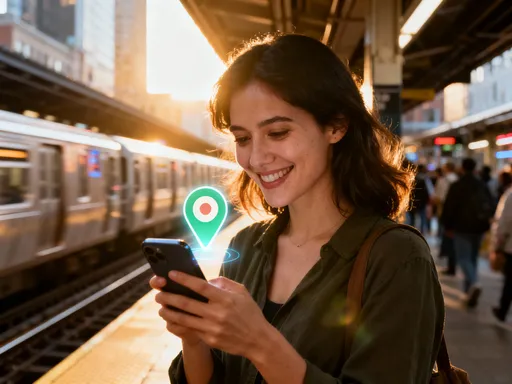
What really won me over was how customizable it was. I could choose which sensors to arm at night—just the front door and basement window, for example—while leaving the bedroom door open so I could move around. I could set quiet alerts instead of loud alarms, so if the cat brushed against a sensor, I’d get a gentle buzz on my phone instead of a siren. I could even schedule it to arm automatically when I left and disarm when I returned, using my phone’s location. It wasn’t about control—it was about convenience. And that made all the difference. Because the easier it was to use, the more I actually used it. And the more I used it, the safer I felt.
How It Works—Without the Tech Jargon
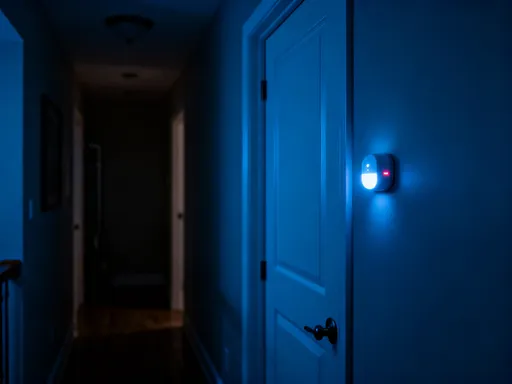
You don’t need to be a tech genius to understand this system. Think of it like a digital watchdog that never sleeps. It has little sensors on your doors and windows—small, white strips that blend in and don’t draw attention. When the door or window opens, the sensor detects the movement and sends a signal to the main hub, which is about the size of a coffee mug and sits quietly in your living room or hallway.
If the system is armed and a door opens, it doesn’t just sound an alarm. It sends a real-time alert to your phone, so even if you’re not home, you’ll know right away. You can check the app and see exactly which door was opened and at what time. It’s like having a second pair of eyes on your home, 24/7. There’s also a motion detector—again, simple to place, just plug it in or stick it on the wall. It covers a wide area and knows the difference between a person walking through and a pet under 40 pounds. No more false alarms from the dog jumping on the couch.
The best part? You don’t have to be home to control it. If you’re out running errands and suddenly remember you might have left the back door unlocked, you can open the app and check the status. If it’s open, you can arm the system anyway—so if someone tries to come in, you’ll get an alert. Or, if you’re expecting a neighbor to water your plants, you can temporarily disarm the system with a tap and rearm it when they’re done. It’s not magic, but it feels like it. And you don’t need to memorize codes or settings. Everything is designed to be intuitive, so you can focus on your life, not the technology.
Real Moments That Changed Everything
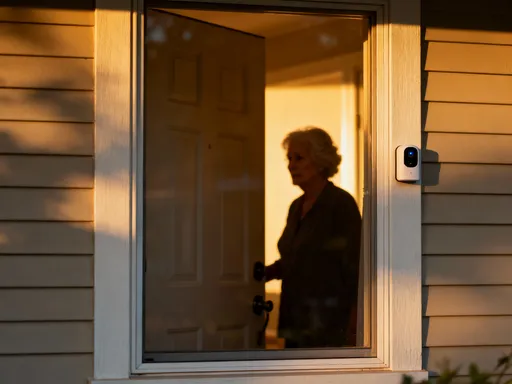
I’ll never forget the first time the system truly proved itself. I was at a café downtown, enjoying a rare solo afternoon with a book and a latte. My phone buzzed—just a gentle chime. I glanced down and saw a notification: Front door opened. System armed. My stomach dropped. I hadn’t left the house that day. I lived alone. No one should have been there.
I opened the app, heart racing. The timeline showed the door opened at 1:42 p.m. I called the police, and within minutes, an officer was at my door. Turns out, a delivery person had tried to leave a package inside instead of on the porch—something they’re not supposed to do. The officer reminded them of the policy, and no damage was done. But that alert? It gave me power. I wasn’t helpless. I was informed. And I could act.
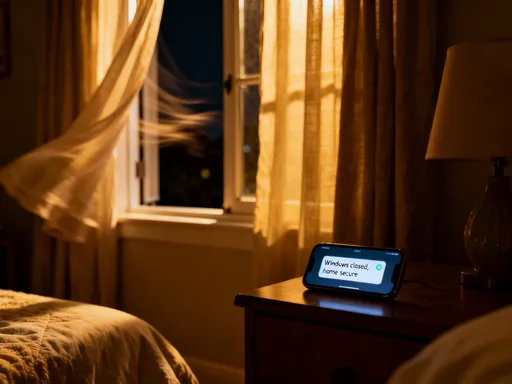
Another time, I was out of town during a storm. Wind gusts were strong, and I was worried about the old window in the basement. I got an alert: Basement window sensor triggered. I checked the live status—yes, the window was open. I called a trusted friend who lived nearby, and she came over to close it before any water got in. No ruined floors, no mold, no stress when I got home. Just peace of mind.
And then there are the small wins. Like being able to leave for a weekend trip without calling three neighbors to check on the house. Or sleeping through the night without waking up to check the locks. Or simply walking into my home, tapping a button on my phone, and knowing everything is secure. These aren’t dramatic moments, but they’ve added up to something huge: a sense of calm I didn’t think was possible. It’s not that I’ve eliminated every fear—I’m human. But I’ve replaced constant worry with quiet confidence.
Small Setup, Big Confidence
I’ll admit, I was nervous about setting it up alone. I’m not handy. I’ve never owned a drill. The thought of installing a security system by myself felt intimidating. But from the moment I opened the box, I realized this was different. Everything was labeled clearly. The sensors had protective backing—just peel and stick. The hub had a single cord and connected to Wi-Fi with a QR code scan. The app walked me through each step with simple instructions and little animations.
I started with the front door. Cleaned the frame, peeled the sticker, pressed the sensor in place. Done. Then the back door, the basement window, the sliding patio—each one took less than a minute. The motion detector went in the hallway, high on the wall, angled toward the stairs. I used the included mount, which stuck with adhesive—no nails, no damage. The whole process took me 45 minutes, and I did it in my slippers, with a podcast playing in the background.
When I finished, I tested it. I opened the front door—ding! My phone buzzed with the alert. I smiled. It worked. And better yet, I had done it—all by myself. That moment wasn’t just about the system. It was about me. It reminded me that I’m capable, that I don’t need to wait for someone else to make my home safe. I can take care of myself. And that feeling? It’s priceless. Now, when friends ask how I set it up, I say, ‘It was easier than assembling that bookshelf from the big box store.’ And I mean it.
More Than an Alarm—It’s Peace of Mind You Can Trust
This system didn’t just change how I secure my home. It changed how I live in it. I don’t walk through my house with tension in my shoulders anymore. I don’t double-check the locks five times before bed. I don’t avoid traveling or staying out late. I feel free—free to live my life without fear quietly pulling at the edges.
Security isn’t just about preventing crime. It’s about protecting your peace. It’s about being able to breathe deeply when you walk through your front door. It’s about sleeping soundly, knowing you’re not alone in watching over your home. And for those of us who live solo, that kind of support matters more than words can say.
I used to think self-reliance meant doing everything on my own, in silence, without asking for help. Now I see it differently. True self-reliance means knowing when to use the tools that make life easier, safer, and more joyful. This alarm system isn’t a replacement for me—it’s a partner. It handles the small things so I can focus on the big ones: my health, my passions, my relationships, my joy.
If you’ve ever lain awake at night, heart racing at a strange noise, I want you to know—you don’t have to live that way. You don’t have to choose between independence and safety. Technology, when designed with real people in mind, can give you both. It can give you the confidence to live boldly, quietly, and fully—exactly as you are. And sometimes, the most powerful thing a device can offer isn’t just protection. It’s peace. And that’s something worth having.