From Distracted to Focused: How My Smart Home Became My Personal Productivity Coach
Ever feel like your home is working against you? I used to waste hours searching for quiet, adjusting lights, or getting derailed by clutter and noise. Then I realized: my smart devices weren’t just for convenience—they could actually guide my daily progress. Now, my home doesn’t just respond to me; it supports how I grow, work, and stay on track. This is how it quietly transformed my focus, one small nudge at a time.
The Chaos Before the Calm: When My Home Felt Like a Distraction Machine
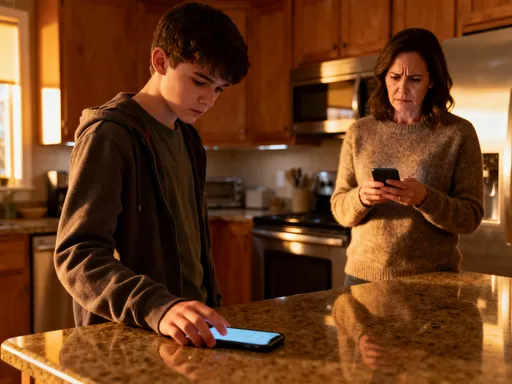
There was a time when my home, the very place meant to feel safe and comforting, became the biggest obstacle to getting anything done. I’d sit down at the kitchen table with my laptop, determined to finish a few important tasks, only to be interrupted five minutes later by a ringing phone, a barking dog, or a child needing help with homework. The lighting was either too dim or too harsh—never quite right for reading or writing. My desk was buried under piles of mail, half-used notebooks, and coffee mugs that never seemed to make it to the sink. And the noise—oh, the noise. Between the TV in the next room, the washing machine spinning, and the constant pings from my tablet, it felt impossible to think clearly.
What I didn’t realize then was how much my environment was shaping my mental state. Every small disruption pulled me out of focus, and each time I tried to return, it took longer to settle back in. I felt scattered, overwhelmed, and guilty—like I was failing at both work and motherhood. I wasn’t lazy, and I wasn’t uncommitted. I was simply trying to function in a space that wasn’t designed to support me. The emotional toll was real. I’d end the day exhausted, not because I’d done too much, but because I’d fought too many tiny battles just to get started. I’d lie in bed thinking, Why can’t I just stay on track? But the truth was, my home wasn’t helping me—it was working against me.
It wasn’t until I started paying attention to the patterns—when I got distracted, what triggered a shift in mood, which spaces felt energizing or draining—that I began to see a path forward. I didn’t need more willpower. I needed a smarter environment. And that’s when I started to look at my smart devices in a whole new light.
Seeing the Smart Home Differently: Not Just Gadgets, But a System That Knows Me
Like a lot of people, I first got into smart home tech for the convenience. I loved being able to turn off the lights from bed or adjust the thermostat while I was on my way home. But over time, I noticed something interesting—these devices weren’t just reacting to my commands. They were learning my rhythms. The motion sensor in the hallway knew when I usually got up. The smart speaker remembered that I liked the weather update at 7:15 a.m. The lights in the living room dimmed automatically when I started watching a movie. These weren’t just tricks; they were small signs that my home was starting to pay attention.
That’s when it hit me: what if I stopped thinking of my smart home as a collection of gadgets and started seeing it as a personal support system? Instead of using automation just to save a few steps, I could use it to shape my habits, protect my focus, and gently guide me toward my goals. I didn’t need a life coach in human form—I could build one into my walls.
I started small. I programmed a morning routine that turned on the lights slowly, played a calm playlist, and gave me a quick voice update on the day’s weather and schedule. It wasn’t just about making mornings easier—it was about creating a signal to my brain: It’s time to begin. I set up motion sensors to detect when I’d been sitting too long and linked them to a gentle reminder on my speaker: “Time to stretch, Sarah.” At first, it felt a little silly, like my house was nagging me. But soon, I began to appreciate it. These nudges weren’t demanding or judgmental. They were kind, consistent, and always on my side.
The real shift was in mindset. I stopped seeing technology as something separate from my personal growth. Instead, I saw it as an extension of my intentions. Every automation wasn’t just a shortcut—it was a reflection of the person I wanted to become: focused, calm, and in control.
Morning Mode: How My Lights and Speaker Gently Pull Me Into the Day
Mornings used to be my weakest time. I’d wake up groggy, fumble for my phone, scroll through messages, and end up overwhelmed before I even got out of bed. The house felt dark and still, and I had to force myself into motion. I’d flip on harsh overhead lights, brew coffee in a haze, and start the day already behind.
Then I created “Morning Mode.” Now, my smart lights begin to brighten 30 minutes before my alarm, simulating a sunrise. The light starts soft and warm, gradually shifting to a brighter, cooler tone. It’s subtle, but it signals to my body that it’s time to wake up naturally. I don’t need to fight against drowsiness—I just follow the light.
At the same time, my smart speaker plays a gentle instrumental playlist I’ve curated—nothing too upbeat, just enough to ease me into the day. After a few minutes, it gives me a brief voice update: today’s weather, the high temperature, any calendar events, and a single priority for the day. I programmed it to say, “Today matters because you’re focusing on your writing project.” It’s not just information—it’s encouragement.
This simple routine changed everything. I no longer start the day reacting to chaos. Instead, I begin with intention. The mental clutter is gone because the decisions have been made for me—what to listen to, when to get up, what to focus on. I’ve eliminated decision fatigue before it even has a chance to take root. And the best part? I feel supported. It’s like having a quiet, wise friend who knows exactly what I need to hear to get going.
One morning, my daughter walked in and said, “Mom, your room looks like a sunrise. Is that part of your ‘focus magic’?” I laughed, but she wasn’t wrong. This isn’t magic—it’s design. And it’s making all the difference.
Focus Zones: Turning My Living Room Into a Personal Office That Adapts
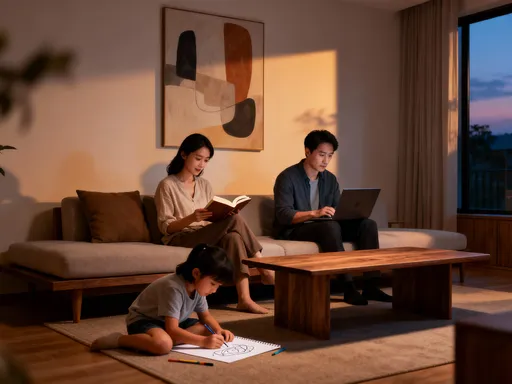
I don’t have a home office. Like many of us, I work from the kitchen table or the living room couch. But that meant my workspace was never truly mine. It was shared, interrupted, and constantly changing. If I wanted to focus, I had to fight for it—shutting out noise, adjusting the lighting, trying to ignore the TV remote on the coffee table.
Then I turned my living room into a focus zone. Using a combination of smart blinds, lighting, sound, and temperature control, I created a space that transforms when I need to work. When I say, “Alexa, start focus mode,” the blinds close to block the afternoon glare. The lights shift to a cool, energizing white that helps me stay alert. The thermostat adjusts to keep the room at a comfortable 70 degrees—warm enough to be cozy, cool enough to avoid drowsiness.
At the same time, my noise-canceling smart speaker starts playing a background soundscape—usually gentle rain or soft forest sounds. It’s not music, which can be distracting, but a consistent, low-level sound that masks household noise. I can still hear if someone calls my name, but the background hum of life fades into the distance.
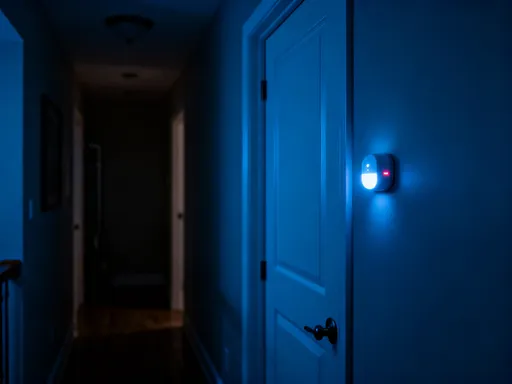
And here’s the best part: when focus mode is active, my family’s devices receive a gentle notification. Their phones and tablets show a soft message: “Mom is in focus time. Messages will be checked at 11 a.m.” It’s not about shutting them out—it’s about protecting our time together by honoring my need for uninterrupted work. My kids know the blue light on the hallway speaker means I’m in deep work, and they’ve learned to wait unless it’s urgent.
This setup has given me something priceless: the feeling of having a dedicated workspace, even if it’s shared. I no longer feel guilty for needing quiet. I don’t have to explain myself. The environment does it for me. And because the space adapts to my needs, I can transition in and out of focus mode seamlessly—no mental friction, no resistance.
Gentle Reminders: When My Home Knows I Need a Break (or to Keep Going)
We’ve all been there—sitting at the computer for two hours straight, only to realize we haven’t moved, eaten, or even blinked much. I used to lose entire afternoons to this kind of hyperfocus, only to pay for it later with headaches, stiff shoulders, and burnout. I knew I should take breaks, but in the moment, I never remembered.
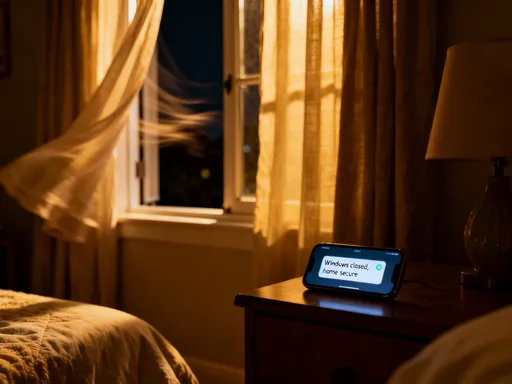
Now, my home helps me remember. I set up a motion sensor under my desk that detects when I’ve been sitting for more than 45 minutes. When it’s time, my speaker gives a soft chime and says, “Hey, you’ve been working hard. How about a quick stretch or a glass of water?” It’s not pushy. It’s kind. And because it comes from my home—not a boss or a nagging thought—it feels like care, not pressure.
But it’s not just about breaks. My home also knows when I’m slacking. If I leave my desk and wander into the kitchen without starting a timer, the lights in the living room dim slightly—a visual cue that I’ve lost momentum. It’s subtle, but it’s enough to make me pause and ask, Am I avoiding something? That small moment of awareness has helped me catch procrastination before it takes over.
I’ve also started using my smart speaker for voice journaling. At the end of each focus session, I say, “Alexa, note: finished the proposal draft. Felt focused for 90 minutes.” Later, I can play back these entries and hear my progress. It’s not just about productivity—it’s about building confidence. Hearing myself say, I did that, makes it real.
These reminders aren’t about control. They’re about connection—to my body, my goals, and my time. My home isn’t policing me. It’s partnering with me. And that makes all the difference.
Family Rhythm: Aligning Everyone’s Needs Without the Noise
One of the biggest sources of stress in my life wasn’t work or chores—it was the constant negotiation. “Can I watch TV?” “Is it bedtime yet?” “When’s dinner?” These small questions added up, eating into my mental bandwidth. I was always the referee, the scheduler, the reminder. I felt like a manager, not a mom.
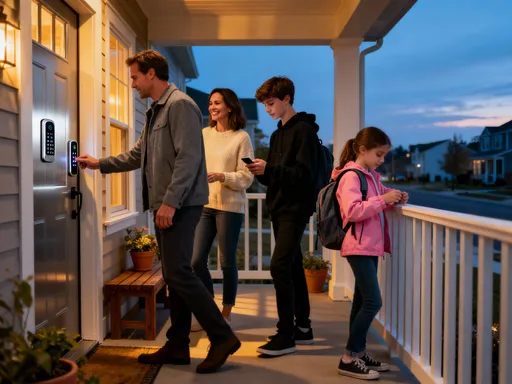
So I built routines that help us all stay in sync—without me having to say a word. Every weekday at 4:30 p.m., the house shifts into “after-school mode.” The lights in the kitchen turn to a warm, inviting glow. The speaker announces, “Homework time begins in 10 minutes.” My kids know it’s time to settle in. No arguing, no reminders—just a gentle cue from the environment.
We use shared digital calendars that sync with our smart displays. When it’s time for soccer practice or piano lessons, a notification pops up with a photo of the event and a voice reminder. Even my youngest, who can’t read well yet, recognizes the picture of her dance class and says, “That’s me in the pink leotard!”
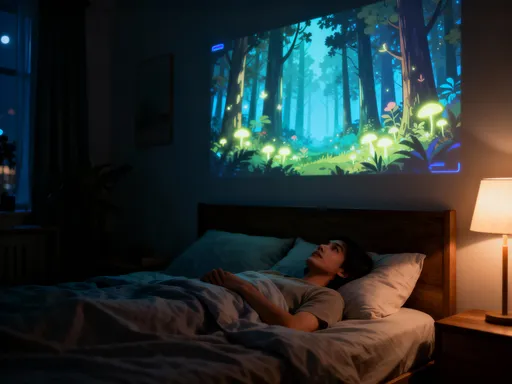
Bedtime is even smoother. At 7:30 p.m., the living room lights slowly dim, shifting to a soft blue hue we’ve all agreed means “wind down.” The TV turns off automatically. The speaker plays a short story or calming music. No yelling, no power struggles—just a rhythm that carries us forward.
One evening, my son looked up and said, “Mom, the lights turned blue—homework time, right?” I smiled and said, “Yes, sweetie.” He didn’t need me to tell him. The house did. And in that moment, I realized how much mental energy I’d been wasting on being the constant reminder. Now, that energy is mine again—mine to read, to write, to breathe.
Progress You Can Feel: Measuring Growth Beyond Tasks Checked Off
At first, I thought the goal was to get more done. But what I’ve gained is so much deeper. I’ve gained a sense of calm. A feeling of control. A quiet confidence that I can show up for my family and myself—without burning out.
The smart home didn’t just change my routines. It changed how I see myself. I’m not someone who struggles to focus. I’m someone who’s learned to design an environment that helps me thrive. The small, consistent nudges—from the morning light to the break reminders—have built a foundation of self-trust. I know I can start the day with clarity. I know I can protect my focus. I know I can pause when I need to.
And the best part? This isn’t about luxury or high-tech perfection. It’s about intention. It’s about using the tools we already have to create space—for work, for rest, for growth. My home isn’t flawless. There are still messy days, loud moments, and times when the tech doesn’t work perfectly. But even then, the structure remains. The routines, the cues, the support—they’re always there, ready to help me begin again.
If you’re feeling overwhelmed, distracted, or like you’re always playing catch-up, I want you to know: it’s not you. It’s your environment. And you have the power to change it. You don’t need a full smart home overhaul. Start with one thing. One routine. One small way your home can support you instead of distract you.
Because a smart home isn’t just about gadgets. It’s about becoming the person you want to be—calmer, clearer, and more in control—one gentle nudge at a time.