I kept forgetting to close the windows before bed: How smart blinds finally saved my peace of mind
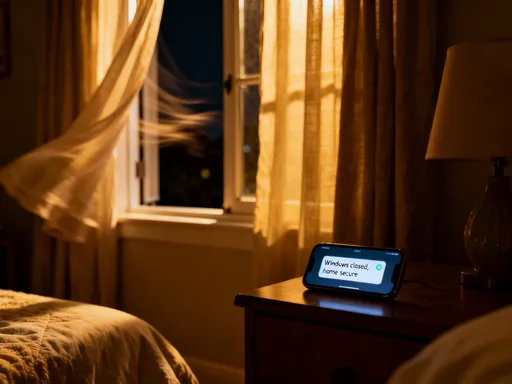
We’ve all been there—rushing to bed, only to wonder halfway through the night: Did I close the living room window? For months, that tiny doubt gnawed at me. Then came a quiet shift. A gentle nudge from my phone: “Windows closed, home secure.” No more second-guessing. No more cold drafts in winter. Just calm. That small moment wasn’t magic—it was smart window management, quietly supporting better habits and clearer decisions, one peaceful night at a time.
The Little Doubt That Started It All
It started small. A flicker of worry as I pulled the covers over my shoulders. Did I remember to shut the kitchen window? At first, I’d just get up, shuffle across the hardwood floor, and check. But then it happened more often. Was it the bedroom window? The one in the laundry room? The kind that sticks if you don’t lift it just right? I’d lie there, replaying my evening routine in my head, trying to visualize each window, each latch. And sometimes, I’d give in—get up, walk through the dark house, and check. Not because I thought something bad would happen, but because the uncertainty felt worse than the effort.
Then one rainy morning, halfway to dropping the kids at school, I froze in the car. The office window—was it open? The sky was dark, heavy with storm clouds. I could already picture the rain soaking the rug, the books on the shelf. I turned the car around, drove back, checked. It was closed. But I’d lost twenty minutes, my calm, and half my focus for the day. That’s when it hit me: this wasn’t just about windows. It was about trust—trust in myself, in my memory, in my ability to manage the little things that keep our homes safe and comfortable. And I was losing it, one forgotten latch at a time.
This isn’t something we talk about much—the emotional toll of tiny, repeated doubts. But it’s real. Every time we second-guess a small action, it chips away at our confidence. It’s like carrying a mental backpack filled with ‘what ifs.’ And over time, that weight adds up. I wasn’t just worried about drafts or rain. I was tired of feeling like I couldn’t rely on my own mind. I wanted to stop policing myself. I wanted to feel at ease in my own home.
Living with the Weight of “Did I…?”
Have you ever noticed how one small uncertainty can spiral? I’d close a window, walk away, and five minutes later think, Wait—did I really close it? So I’d go back. Then, later, the thought would return: But did I lock it? It wasn’t OCD. It was just life—busy, fast, full of distractions. Between work, meals, school runs, and bedtime stories, my brain was stretched thin. And the things that used to be automatic—like checking windows—started slipping through the cracks.
One summer night, we had a thunderstorm. I woke to the sound of wind rattling the glass. My heart jumped. I remembered opening the bedroom window earlier to let in the evening air. Had I closed it? I grabbed my phone, turned on the flashlight, and went room by room. The bedroom window was indeed open, rain blowing in. I scrambled to shut it, wiped the sill, and changed the damp pillowcase. The next morning, I was exhausted. And annoyed—at myself, at the weather, at the whole thing.
That wasn’t the only time. There was the week of record heat, when I left the blinds open too long and the living room turned into a greenhouse. The AC ran nonstop, and the bill that month was shocking. There was the morning I forgot to close the bathroom window, and my daughter walked in to find a soaked towel and a puddle on the floor. Nothing catastrophic, but each incident added a little stress, a little guilt, a little friction in the day.
What surprised me most was how these small things affected my mood. I’d snap at my husband over something minor, only to realize later it wasn’t about him—it was about the mental clutter. The constant low-level anxiety of forgetting things made me feel less patient, less present. I wanted to enjoy my evenings, my weekends, my family time without that nagging voice in the back of my head. I didn’t need a high-tech solution. I needed peace of mind.
Discovering the Calm in Automation
The idea of smart home tech used to feel overwhelming. I pictured complicated wiring, expensive installations, and apps full of confusing settings. But then a friend mentioned her smart blinds. “They close on their own at night,” she said. “And if I forget a window, my phone tells me.” I was skeptical. But curious.
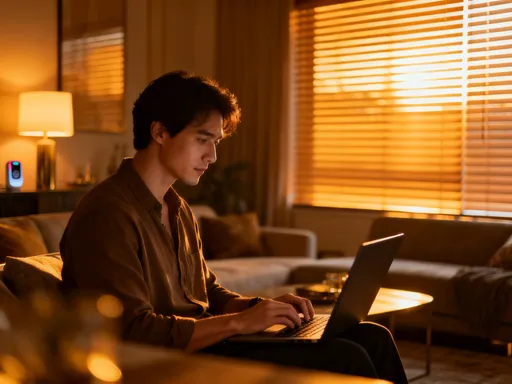
I started with one room—the office. I installed motorized blinds that attach right over the existing ones. No drilling, no electrician. Just a battery-powered unit that clips on and connects to my Wi-Fi. I downloaded the app, followed the setup steps, and within an hour, it worked. I could open and close the blinds from my phone. I set a schedule: close at 8 p.m., open at 7 a.m. Simple.
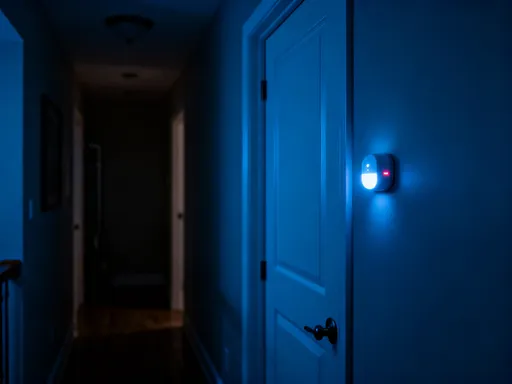
Then came the first real test. A storm rolled in late one evening. I was in the kitchen, cleaning up dinner, when my phone buzzed. “Back window open. Wind speed high.” I looked at the app. The sensor detected the window was ajar. With one tap, I closed the blinds—and the window, thanks to an automatic closure feature. No rushing, no panic. Just a quiet correction, from the couch.
That moment changed everything. It wasn’t just about convenience. It was about relief. The system didn’t replace me—it supported me. It handled the small, forgettable tasks so I could focus on what mattered. And for the first time in a long while, I felt like my home was working with me, not against me.
How It Learned My Rhythm—And Made Better Calls
At first, I used the smart blinds just for schedules and reminders. But over time, I noticed something interesting: the system started adapting to me. It learned when I usually woke up, and instead of snapping the blinds open at 7 a.m., it began raising them gradually, letting in soft light. It felt more natural, gentler on my sleep.
One hot afternoon, I walked into the living room and found the blinds already closed. The house was cool. The system had checked the weather forecast, seen the temperature spike, and decided to block the sun before it turned the room into an oven. I hadn’t lifted a finger. It had made a smart choice based on data—sun angle, outside temperature, indoor humidity—and it got it right.
Then came the ventilation suggestions. On mild spring mornings, the app would say: “Good time to open windows. Fresh air incoming.” It pulled data from local weather stations and air quality reports. If rain was coming, it reminded me to close up. If pollen was high, it suggested keeping windows shut. It wasn’t just automating tasks—it was helping me make better decisions, with less effort.
This wasn’t artificial intelligence in the sci-fi sense. It was thoughtful, responsive technology—like a quiet partner who knows your habits and looks out for you. It didn’t take over. It just stepped in when needed, offering support without drama. And the more it learned, the more I trusted it. I stopped checking. I stopped worrying. I started living.
More Than Comfort: A Ripple Effect on Daily Life
The changes weren’t just about windows. They rippled through my days. I started sleeping better because my bedroom was dark and cool at the right times. I noticed my energy bills went down—by about 15% in the summer—because the house stayed cooler without overworking the AC. But the biggest shift was emotional.
I stopped having those little arguments with my family. No more “Who forgot to close the blinds?” No more “I thought you did it.” The system took the blame—and the credit. It became a neutral part of the household, like the thermostat or the coffee maker. And that removed a surprising amount of tension.
I also found I had more mental space. That backpack of ‘what ifs’? It was lighter. I wasn’t using brainpower to remember small things anymore. And that freed me up to focus on bigger, more meaningful choices—like planning a weekend getaway, helping my daughter with her science project, or just sitting quietly with a book. I felt more present. More in control. Not because I was doing more, but because I was worrying less.
My husband noticed it too. “You seem calmer,” he said one evening. “Like you’re not always on alert.” I realized he was right. The constant background hum of vigilance had faded. I wasn’t waiting for the next thing to go wrong. I was just… living. And that, more than anything, felt like progress.
Making It Work for Real Life (Not a Showroom)
I’ll be honest—not everything worked perfectly at first. One morning, the sensor thought the window was open because of high humidity. Another time, the blinds got stuck halfway. But the app sent alerts, and a quick reboot fixed it. The company released an update that improved sensor accuracy. It wasn’t flawless, but it was fixable. And that made all the difference.
My advice? Start small. Pick one room—the one you forget most often. Install a single smart blind or a window sensor. Test it for a few weeks. See how it feels. You don’t need to automate your whole house overnight. I added the bedroom blinds a month later, then the living room. Each step felt natural.
Voice commands made it even easier. “Hey Google, close the office blinds.” “Alexa, are all windows secure?” It became part of my routine, like asking for the weather. I set up a “Goodnight” routine—tap one button, and all blinds close, lights dim, thermostat adjusts. It’s not just convenient. It feels like a ritual, a way to wind down with intention.
And no, it’s not expensive. The units I chose run on batteries, so no rewiring. Most connect to existing smart home systems. I use two-factor authentication for privacy, and the data is encrypted. I can see who accessed the system and when. It’s not about being paranoid—it’s about feeling safe in every sense. This isn’t a gadget for tech lovers. It’s a tool for real life, built for people who want simplicity, not complexity.
The Quiet Confidence of Being Supported
I don’t think about the windows anymore. That’s the best part. I go to bed, say goodnight to my family, and know the house is secure. If a window is open, I’ll get a notification. If it’s storming, the blinds will close. If the sun’s too bright, the shades will adjust. I don’t have to remember. I don’t have to check. I can just be.
This isn’t about laziness. It’s about smart support. We use technology for so many things—communication, entertainment, navigation. Why not for peace of mind? The right tools don’t make us weaker. They make us freer. They handle the small stuff so we can focus on what matters—our families, our health, our joy.
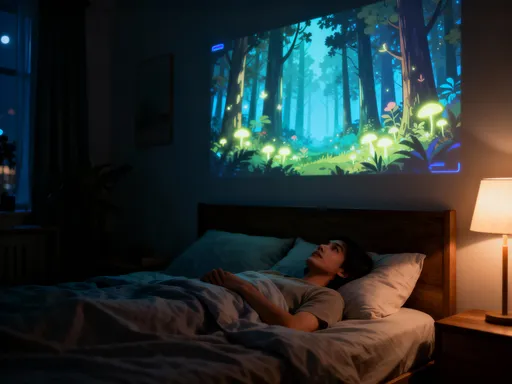
Now, when I lie in bed, I’m not replaying my evening. I’m not wondering if I forgot something. I’m listening to my daughter’s quiet breathing down the hall. I’m thinking about the book I’m reading. I’m feeling grateful. Because I’m not just resting. I’m truly at ease. And that, I’ve learned, is the greatest luxury of all.