Tracked Gas Levels in My Home for 3 Months: The One Sensor That Finally Gave Me Peace of Mind
Have you ever paused near your stove and wondered, Is there a leak I can’t see? I did—especially with kids running around and windows often closed. That nagging worry led me to test multiple gas detectors over three months. What I discovered wasn’t just about technology, but about reclaiming calm in daily life. One solution stood out, not because it was flashy, but because it truly adapted to my home, my habits, and gave me something priceless: peace of mind.
The Moment I Realized Our Home Wasn’t as Safe as I Thought
It started with something so small I almost dismissed it. One quiet Tuesday evening, as I was loading the dishwasher, a faint, slightly metallic smell brushed past my nose near the kitchen stove. I stopped, sniffed again—nothing. My husband walked in, and I asked, “Do you smell something?” He took a breath, shook his head. “Gas?” he asked. “I don’t think so.” The moment passed, but the unease didn’t. That tiny whiff, gone in seconds, stayed with me. It wasn’t strong, not like the sharp warning we’ve all heard about, but it was enough to make me wonder: what if there’s something happening in our home that we can’t see or smell?
I began reading more—quietly, at first, between folding laundry and helping with homework. I learned that natural gas is odorless, and while utility companies add a sulfur-like smell to help us detect it, small leaks can still go unnoticed, especially if they’re slow or in less-used areas of the house. Carbon monoxide is even more dangerous because it’s completely invisible and odorless. I realized that just because everything ‘seems fine’ doesn’t mean it is fine. Our furnace, water heater, stove—these are all gas-powered, and while they’re designed to be safe, things wear down over time. A loose connection, a small crack—these can build up over weeks without setting off any alarm, literally or figuratively.
That moment in the kitchen changed how I saw safety. It wasn’t about dramatic emergencies or worst-case scenarios. It was about the quiet, invisible risks that slip through the cracks of daily life. I didn’t want to live in fear, but I also didn’t want to be ignorant. I wanted to know—really know—that our air was safe. And I realized that guessing wasn’t enough. I needed real-time insight. So, I made a decision: I would test gas sensors in my home, not just one, but several, over the next few months. I wasn’t looking for perfection—I was looking for peace.
Why Standard Gas Detectors Felt Like They Were Built for Someone Else’s Life
My first few tries were with basic, off-the-shelf gas alarms from the hardware store. You know the kind—white plastic boxes with a single blinking light and a loud, jarring alarm. I installed one near the stove and another in the basement. Within days, I was frustrated. The kitchen unit went off every time I seared salmon or grilled onions. The sound was so loud it made my daughter cover her ears and my dog bolt under the couch. I’d rush to turn it off, only to realize—again—it was just cooking fumes.
I started to dread using the stove on high heat. Was I overreacting? Maybe. But the constant false alarms made me question whether the device was protecting us or just annoying us. Then came the basement alarm—one night, for no reason I could tell. I went down to check: furnace running smoothly, no odd smells, no visible issues. The alarm had triggered based on a preset threshold, but it didn’t know that our basement tends to trap warmth in summer, or that the furnace cycles differently at night. It didn’t understand our home’s rhythm.
That’s when it hit me: these devices treat every house like a laboratory. But real homes aren’t labs. We cook, we forget to ventilate, we open windows in the morning and close them at night. Families have patterns—kids doing homework near heaters, laundry drying on radiators, weekend baking marathons. A one-size-fits-all alarm doesn’t account for any of that. It can’t tell the difference between a real danger and the normal chaos of family life. I needed something smarter—something that didn’t just react, but understood. I wasn’t looking for more noise. I was looking for clarity.
How Personalization Transformed My Idea of Safety
The shift came when I discovered a smart gas sensor that uses adaptive learning. At first, I was skeptical. “Learning?” I thought. “How can a little device learn my home?” But after setting it up, I began to see how different it was. Instead of relying on fixed gas level thresholds, it spent the first week quietly observing—recording when we cooked, when we opened windows, how gas levels rose and fell naturally throughout the day. It wasn’t just measuring; it was mapping our life.
Within two weeks, it had built a baseline of what “normal” looked like in our house. The real test came during a busy Sunday dinner. I was sautéing garlic and chilies on high heat, the kitchen full of steam and rich smells. The old alarm would’ve screamed by now. But this one stayed silent. It recognized the spike in gas as part of our cooking pattern—brief, localized, and followed by ventilation when I opened the window.
Then, a few days later, it sent a calm alert to my phone: “Unusual gas level detected near utility room.” Not an ear-splitting siren—just a quiet notification. I went to check. Nothing smelled off. But when I got closer to the water heater, I noticed a faint vibration in the pipe. A plumber came the next day and confirmed: a small, slow leak from a corroded fitting. It had been building for weeks, too small to smell, too gradual to trigger a standard alarm. But the smart sensor had caught it because it knew what our baseline was—and this was outside the norm.
That moment changed everything for me. Safety wasn’t about fear or loud warnings. It was about quiet awareness. This wasn’t just a detector—it was a partner in protecting our home. It didn’t treat me like a lab technician; it treated me like a mom who just wants to know her family is safe. And for the first time, I felt like the technology was on our side, not just ticking boxes.
Setting It Up Was Simpler Than I Expected (And I’m Not a Tech Person)
I’ll be honest—I’m not the person who loves setting up smart home gadgets. My husband handles the Wi-Fi router updates, and I still use a sticky note for passwords. So when I unboxed this sensor, I was bracing for a complicated app, confusing settings, maybe even a YouTube tutorial. But it was surprisingly simple. Plug it in. Open the app. Scan the QR code. That was it.
The app walked me through a quick setup: name the device, choose a location (I picked “Kitchen” and “Basement”), and let it begin its learning phase. For the first seven days, it asked me to mark any major gas events—like long cooking sessions or furnace startups—so it could learn faster. But even without that, it adapted on its own. I remember showing it to my sister during a visit. “Wait, it learns on its own?” she asked, peering at my phone. “Yes,” I said. “It’s like it’s paying attention.” She laughed. “So it’s basically a very quiet houseguest who watches everything?” Exactly.
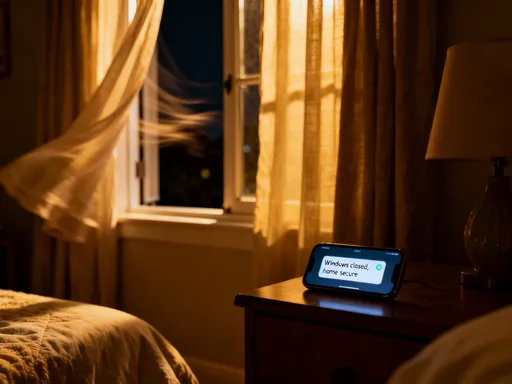
What I appreciated most was that it didn’t demand my time. I didn’t have to check it every day or adjust settings weekly. It worked in the background, like a good appliance should. The app sent gentle updates—“Your home’s air quality is stable,” or “No unusual activity detected this week.” It wasn’t noisy or pushy. It was just… there. And that made all the difference. For someone like me, who already has a full plate, the last thing I need is another thing to manage. This felt like it was managing itself—so I could focus on my family.
The Night It Alerted Me to a Leak I Couldn’t Smell or See
It was around 8:30 p.m., and the kids were in bed. I was sipping tea and scrolling through messages when my phone buzzed with a notification: “Unusual gas buildup detected near utility room. Please investigate when safe.” The tone was calm, not urgent, but my heart still skipped. I didn’t smell anything. The furnace had been running normally all evening. But I grabbed a flashlight and went downstairs.
Near the furnace, I noticed the sensor’s light was pulsing yellow—its way of showing elevated levels. I knelt down, listening. Nothing obvious. But when I placed my hand near the gas line connection, I felt a faint hiss—so quiet I would’ve missed it without the alert. I turned off the gas valve and called a technician the next morning. He found a tiny crack in a rubber connector that had been slowly leaking. “You caught it early,” he said. “Another few weeks, and it could’ve been risky, especially with the house sealed up at night.”
What struck me wasn’t fear—it was relief. Relief that I didn’t have to imagine a worse outcome. Relief that I didn’t have to wonder, “What if I hadn’t known?” This wasn’t about scare tactics or exaggerated marketing. It was about real, quiet protection. The sensor didn’t make me paranoid. It made me prepared. And that night, when I went back to bed, I didn’t lie awake checking the stove in my mind. I slept. Because for the first time, I knew we were being watched over—not by something loud or intrusive, but by something smart and steady.
How This Changed More Than Just Safety—It Changed How I Feel at Home
Before this, I didn’t realize how much mental energy I was spending on small worries. Every night before bed, I’d do a quick mental checklist: Did I turn off the stove? Is the furnace making that noise again? Are the kids breathing okay? It wasn’t full-blown anxiety, but it was a low hum in the background of my mind. Now, that hum is gone. I still do my routines—I check the stove, I maintain the furnace—but I don’t dwell on them.
My kids play in the basement without me worrying about air quality. I cook with the windows closed on cold days without second-guessing every puff of steam. I even leave the slow cooker on overnight now, something I used to avoid. The freedom is subtle but profound. It’s not just about avoiding danger. It’s about reclaiming ease. Home should be a place where we can breathe deeply—literally and emotionally. And now, I do.
I’ve started noticing other ways this little device has changed our life. My husband feels more at ease too. “It’s like having an extra set of eyes,” he said. And it’s not just about gas. It’s about trust. We trust our home more. We trust the technology not to overreact, but to pay attention. It’s not replacing our care—it’s supporting it. And in a world that often feels unpredictable, that kind of quiet assurance is priceless.
Why Personalized Tech Is the Future of Peace of Mind (And How to Start)
This experience taught me something bigger: the best technology doesn’t shout. It listens. It learns. It fits into your life so quietly that you forget it’s even there—until you need it. And when you do, it’s ready. That’s the future of smart home tech—not flashy gadgets, but thoughtful tools that adapt to you, not the other way around.
If you’re reading this and thinking, “I don’t need another device,” I get it. I felt the same. But I’ll ask you this: is there one small worry that follows you through the day? Maybe it’s the stove, maybe it’s the basement, maybe it’s the thought of unseen risks in your home. That’s where to start. Look for tools that don’t just detect—they understand. That don’t just alarm—they inform. That don’t complicate your life, but simplify it.
You don’t need to become a tech expert. You just need to find what works for your home, your rhythm, your family. Start with one room. One concern. One step toward feeling safer, calmer, more in control. Because peace of mind isn’t something you buy in a box. It’s something you build—quietly, thoughtfully, day by day. And sometimes, it comes in the form of a small sensor that learns to love your home as much as you do.