From Forgotten Photos to Shared Memories: How One App Brought Us Closer Together
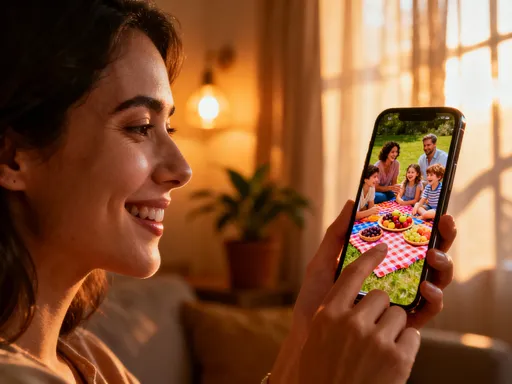
Have you ever scrolled through hundreds of unedited weekend photos, only to leave them buried in your phone? I used to—until I discovered how simple photo editing apps can turn messy moments into meaningful connections. It’s not about perfect filters; it’s about sharing laughter, sparking conversations, and feeling closer to the people I care about. This is how a few taps transformed not just my photos—but my weekends. What started as a way to tidy up blurry snapshots became something deeper: a quiet ritual of connection, a bridge across distance, and a way to honor the small joys that make life beautiful.
The Weekend Photo Pile-Up: A Modern Dilemma We All Know
Let’s be honest—how many times have you taken a photo, smiled at it for a second, and then let it vanish into the endless scroll of your camera roll? I’ve lost count. Weekend after weekend, I’d snap pictures: my sister’s daughter blowing out birthday candles, a golden-hour walk with my dog, my best friend laughing over pancakes. Dozens of moments, captured. And then… nothing. No sharing. No saving. Just silence. I wasn’t alone. So many of us live this way—documenting life but not truly living in it, not letting others in.
It wasn’t that I didn’t care. I loved those moments deeply. But somewhere along the way, I’d convinced myself that if I was going to share a photo, it had to be perfect. Good lighting. Everyone looking. No half-closed eyes. And so, I’d tell myself, “I’ll edit it later.” But “later” never came. The photos stayed hidden, and with them, the stories behind them. The truth is, the longer we wait to share, the more we lose. Not just the image, but the feeling—the warmth, the humor, the love that was in the room when it was taken.
I realized how much I’d been missing last summer when my niece came over and asked, “Auntie, do you have any pictures of us from the beach last year?” I pulled up my phone, scrolled, and felt my heart sink. I had dozens of videos, a few blurry shots—but nothing I felt comfortable showing her. No clean, clear memory we could both enjoy. That moment hit me hard. I wasn’t preserving our time together. I was letting it fade. And I knew I wasn’t the only one. So many women I know—mothers, daughters, friends—feel the same guilt. We capture the moments, but we don’t pass them on. We don’t realize that sharing a simple photo isn’t just about the image. It’s about saying, “I remember this. I cherish you.”
The App That Changed Everything: Simplicity Over Perfection
Everything shifted when a friend said, “You don’t need to be a pro to make a photo feel special. Try this app.” I was skeptical. I’d downloaded photo editors before—ones with sliders for saturation, temperature, clarity, and more. They felt like puzzle boxes. I’d open them, get overwhelmed, and close them within seconds. But this one was different. The first thing I noticed was how clean the screen looked. No clutter. No jargon. Just a few big buttons: Brightness, Contrast, Warmth. And a magic wand icon labeled “Enhance.” I tapped it. And just like that, a dull, shadowy photo of my kitchen table—where I’d baked cookies with my nephew—came to life. The colors warmed. The shadows lifted. It wasn’t fancy. It was real. And it was ready to share.
That’s when it clicked: I didn’t need perfection. I needed clarity. I needed the photo to feel like the moment felt—warm, joyful, alive. And this app made that possible in seconds. No tutorials. No learning curve. Just intuitive taps and swipes. I could brighten a dark selfie from my morning walk, or gently sharpen a photo of my mom’s roses without making them look fake. The filters weren’t dramatic—they were subtle, like putting on a soft scarf before heading out the door. Nothing too bold. Just enough to say, “This moment matters.”
But the real game-changer was the sharing button. Right there, after editing, was a big blue arrow. Tap it, and I could send the photo straight to a family group chat, my sister, or my best friend. No saving, no searching, no delay. And suddenly, my mindset changed. Instead of thinking, “I’ll get to it later,” I found myself thinking, “I want to send this now.” That shift—from delay to desire—was everything. It wasn’t about vanity. It was about connection. I wasn’t editing to impress. I was editing to include. And that made all the difference.
From Screenshots to Stories: Turning Snapshots into Conversations
One rainy Saturday, my friend Lisa and I went on a hike. It was muddy, we slipped, we laughed, we took a dozen photos—most of them blurry, dark, or half-covered in raindrops. I almost deleted them all. But on a whim, I opened the app, tapped “Enhance,” adjusted the brightness just a little, and cropped out the blur. I sent one to our group chat with the caption, “Proof we’re brave (and slightly ridiculous).” Within minutes, Lisa replied, “I forgot how much fun we had! That was the best kind of messy.” Another friend chimed in, “You two are my mood boosters.” And just like that, a forgotten moment became a shared story.
That’s the power of a gently edited photo. It’s not about making everything look polished. It’s about making the emotion visible. A dark photo of a candlelit dinner with your sister? Brighten it just a touch, and suddenly, the warmth of the moment shines through. A shaky shot of your dog chasing leaves? Sharpen it, crop it, and now it’s not just a blur—it’s a memory of joy. These small improvements don’t change the truth of the moment. They reveal it.
And when we share them, something beautiful happens. People respond. Not just with likes, but with words. With memories of their own. I sent a photo of a cake I’d baked—slightly lopsided, but made with love—and my cousin texted back, “Now I’m craving chocolate and hugs.” My mom said, “That’s how Grandma used to make it.” A simple image sparked a conversation that stretched across generations. That’s what I mean when I say editing isn’t about vanity. It’s about invitation. It’s saying, “This moment made me happy. I want you to feel it too.” And in a world where we’re all so busy, that kind of emotional generosity matters.
Bridging Distances: When a Photo Feels Like a Hug
My brother moved to Canada five years ago. At first, we talked every week. But life got busy—his new job, my kids’ school schedules—and the calls became less frequent. We still loved each other deeply, but the distance started to feel heavier. Then, one quiet Sunday, I took a photo of the sunset from my backyard. The sky was streaked with pink and gold, and the air smelled like jasmine. I opened the app, tapped “Warmth” once, and sent it to him with the words, “Wish you were here.”
He replied almost immediately: “It feels like I’m there. Thank you.”
That moment stayed with me. A single photo—edited in three seconds—had made him feel close. Not just seen, but included. And so, I started doing it more. A photo of my daughter’s art project. A shot of the first snowfall. A picture of my coffee mug on a rainy morning. Always just a quick edit—never perfect, never staged—just real, gently enhanced. And each time, he responded. Not always with long messages, but with heart emojis, voice notes, or “I miss that view” texts. Slowly, the distance began to feel smaller.
It made me realize how much we underestimate the quiet power of images. When we’re far from the people we love, words can feel heavy. But a photo? A photo is light. It’s effortless. It says, “I’m thinking of you,” without demanding a reply. It creates intimacy without pressure. And when that photo is just a little brighter, a little clearer, it feels more intentional. Like care. Like love. I’ve heard from so many women who’ve used this same idea—sending soft, edited photos to aging parents, to friends who’ve moved away, to children at college. One woman told me, “My mom can’t always talk on the phone, but she loves seeing my garden photos. She says they make her feel peaceful.” That’s the magic. Technology doesn’t replace presence. But it can echo it.
The Ritual of Reviewing: How Editing Became My Weekend Wind-Down
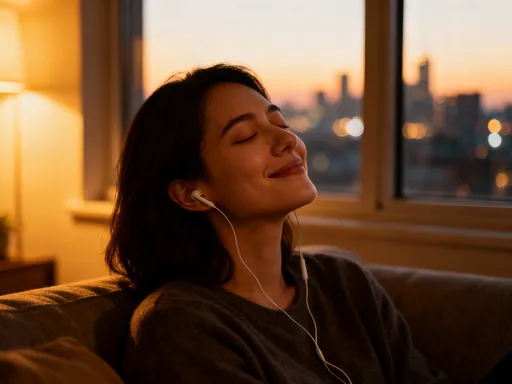
Now, every Sunday evening, I do something I never thought I’d enjoy: I sit with my phone and go through my weekend photos. No rush. No pressure. Just me, a cup of tea, and the quiet hum of the house settling in. I scroll slowly, not to delete, but to remember. That moment when my daughter spun in her new dress. The way my dog curled up in the sun. The silly face my friend made during lunch. I pick a few—never more than five—and spend a minute or two editing each. Brighten the shadows. Warm the tones. Crop out the clutter. It takes less time than folding a basket of laundry, but it feels richer.
This has become my ritual. Not just photo editing, but reflection. In the rush of daily life—school runs, work emails, grocery lists—it’s easy to miss the small joys. But when I take this time, I see them again. I feel them again. And by editing these photos, I’m not just preparing them to share. I’m honoring them. I’m saying, “This mattered.” It’s like journaling, but with images. A visual gratitude practice.
And when I do share them—on a group chat, in a text, on a private story—it’s not for likes or attention. It’s because I want the people I love to see what made my heart full. I want them to know, “This is what happiness looked like for me this week.” And the responses? They’re beautiful. My sister says, “You always find the magic in ordinary days.” My friend writes, “You remind me to slow down too.” That’s the ripple effect. One small act—editing a photo—becomes a quiet invitation to presence, for both of us.
Teaching My Mom to Share: Tech as a Tool for Generational Connection
My mom always said, “I don’t understand all these buttons on the phone.” For years, she used it only for calls and texts. Photos? She’d take one or two, then forget about them. I’d ask, “Did you get a picture of the tulips this year?” and she’d say, “I think so, but I don’t know where it is.” I wanted her to share, but I didn’t want to overwhelm her. So one afternoon, I sat with her and showed her the app—just three things: tap the photo, tap the magic wand, tap the send button. “That’s it?” she asked. I nodded. “That’s it.”
The next morning, my phone buzzed. A photo of her garden—bright pink peonies, dew on the petals. Slightly shaky, but glowing after the auto-enhance. She’d sent it to our family chat with the words, “Morning beauty.” I nearly cried. Not because the photo was perfect, but because she’d participated. She’d said, “I see this. I want you to see it too.”
Since then, it’s become her thing. Every Sunday, she sends a photo—her homemade bread, the birds at her feeder, the view from her porch. Always edited with that one tap. Always accompanied by a simple caption. And every time, our family chat lights up. My cousins reply with hearts. My nephew says, “Nana, your tomatoes look amazing.” She beams when I tell her. “Really? They liked it?” Of course they did, I tell her. Because it’s not about the photo. It’s about her. It’s about knowing she’s still part of our everyday lives.
This is what I love most about simple technology—it can include everyone. You don’t need to be young, tech-savvy, or creative. You just need a moment, a memory, and a way to share it. When tools are designed with kindness—clear, gentle, intuitive—they stop being barriers and start being bridges. My mom isn’t just sending photos. She’s saying, “I’m here. I’m part of this.” And we’re saying back, “We see you. We love you.”
More Than Filters: The Quiet Power of Shared Moments
When I look back, I realize this was never really about photo editing. It was about connection. It was about finding small, sustainable ways to say “I love you” without saying the words. In a world that often feels too fast, too loud, too disconnected, these quiet moments of sharing become lifelines. They remind us that we’re not alone. That someone noticed the sunset. That someone saved the silly face. That someone thought, “This would make them smile,” and took two seconds to send it.
The best technology doesn’t shout. It doesn’t demand attention. It doesn’t require hours of learning or expensive gear. It simply makes it easier to do the things we already want to do—like show someone we care. A brightened photo of a rainy hike. A softened shot of a birthday cake. A warm-toned sunset sent across time zones. These aren’t grand gestures. But they add up. They build a quiet history of love, one tap at a time.
I’ve stopped waiting for perfect moments. Now, I celebrate the real ones. The messy, blurry, imperfect, beautiful truth of everyday life. And when I share them—just a little enhanced, just a little clearer—I’m not changing the past. I’m honoring it. I’m saying, “This mattered. You matter.” And in return, I get something priceless: laughter, memories, the feeling of being close, even when we’re far apart. So go ahead—open your camera roll. Find one photo that made you smile. Tap that enhance button. And send it to someone who’d love to see it. Because sometimes, the smallest act of sharing is the biggest gift of all.