Tired of Missing Out on Friend Meetups? This Transit Tool Keeps Us Connected Effortlessly
We’ve all been there—excited to meet a close friend, only to get stuck on a delayed bus or lost in an unfamiliar station. The stress isn’t just about being late; it’s the guilt, the miscommunication, the slow drift that creeps into even the strongest friendships. But what if the same technology that guides us through cities could also help us stay emotionally close? I discovered a simple transit app feature that did more than improve my commute—it rebuilt the rhythm of my friendships.
The Unseen Cost of Missed Connections
Friendships fade not from lack of care, but from logistical friction. It sounds simple, even silly, but how many times have you canceled plans because the train was running 30 minutes behind? Or worse—your friend never showed up, and you spent an hour wondering if they were upset with you? The truth is, life gets busy, and public transit can be unpredictable. A delayed bus, a confusing transfer, a last-minute change in platform—all of it adds up. And while we blame the system, the real casualty is often our connection with people we love.
I remember one rainy Tuesday when I was supposed to meet Sarah, my best friend since college. We hadn’t seen each other in weeks. I left my house early, checked the schedule, and felt good about making it on time. But the train never arrived. No announcement, no warning—just silence on the platform. Meanwhile, Sarah waited at the café, checking her phone every few minutes. She texted me once, then again. When I finally called, soaked and frustrated, she sounded relieved but distant. “I thought you changed your mind,” she said quietly. That moment stung. Not because she doubted me, but because I realized how fragile these moments can be. One missed train, and a decade of trust wobbled.
That night, I started asking myself: why do we accept this? Why do we let something as fixable as a schedule glitch erode something as precious as friendship? The answer hit me—because most of us are still using outdated tools. We rely on guesswork, vague promises like “I’m on my way,” or frantic last-minute calls. But what if we had something better? Something that didn’t just tell us when the bus is coming—but helped us show up, emotionally and physically, for the people who matter?
How Transit Apps Became Relationship Tools
Here’s the good news: that tool already exists. It’s not some futuristic invention—it’s already on your phone. Modern public transit apps do far more than display arrival times. They offer real-time alerts, route sharing, and accurate arrival predictions based on traffic, weather, and actual vehicle location. But here’s what no one tells you: these features aren’t just for getting from point A to point B. They’re quietly becoming one of the most powerful relationship tools we’ve ever had.
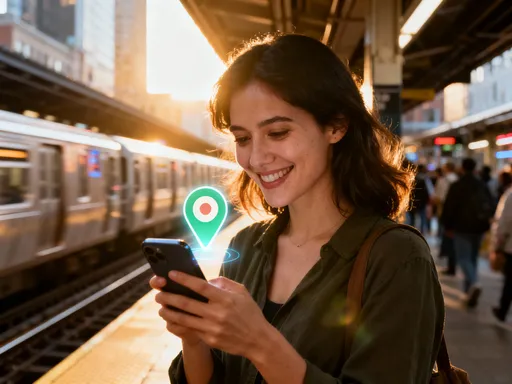
When I started sharing my live transit status with Sarah, everything changed. Instead of texting “Where are you?” every ten minutes, she could see my moving pin on the map. She knew I was on the train, that it was delayed, and that I was still coming. That tiny dot moving across the screen did something remarkable—it restored trust. No more guessing. No more silent assumptions. Just clarity. And in a world where so much goes unsaid, clarity feels like love.
It wasn’t magic. It was just data—shared in real time. But that data carried emotional weight. When my friend sees that I’m three stops away, she starts warming up the kettle. She saves me a seat by the window. She feels prepared, not anxious. And when I walk in, smiling and only two minutes late, it’s not a victory over traffic—it’s a victory over disconnection. The app didn’t replace our friendship. It protected it. Technology, originally built for efficiency, quietly became a bridge for emotional consistency. And the best part? It took less than five minutes to set up.
Setting Shared Arrival Goals Like a Team
One of the most fun shifts happened when we started treating our meetups like a team mission. Instead of each of us navigating separately, we’d both open the transit app, set our destinations, and aim to arrive within minutes of each other. We called it “syncing our arrival.” It sounds small, but it transformed the entire experience. Suddenly, commuting wasn’t just something we had to endure—it became part of the anticipation.
There’s a joy in knowing your friend is on the same journey, even if you’re on different trains. We’d send playful messages: “I’m two stops behind you—don’t start without me!” or “My bus just left—race you to the café!” These little messages didn’t just pass the time—they kept the emotional energy alive. We weren’t just heading to coffee; we were arriving together, as a pair.
And when we did arrive close to the same time, it felt like an achievement. Not because it was hard, but because it showed we were in sync—literally and emotionally. That shared goal, however small, strengthened our sense of partnership. It reminded us that we were still a team, even as adults with busy lives. The app didn’t create that bond, but it gave us a way to express it in real time. It turned logistics into a language of care.
Turning Wait Times into Emotional Check-Ins
Here’s something I never expected: I’ve learned to love the delays. Not because I enjoy standing on a platform, but because I now use that time differently. Before, a 15-minute wait felt like wasted time—something to complain about. Now, it’s a chance to connect. With real-time updates, I know exactly how long I’ll be delayed, so I don’t panic. Instead, I pull out my phone and send a voice note: “Hey, train’s stuck at Central Station, but I’m thinking of our chat. Can’t wait to hear about your week.”
Or I’ll snap a photo of the platform clock with a silly caption: “Still alive! ETA 12:47. Save me half your muffin?” These micro-moments keep the emotional thread alive. They let my friend know I’m thinking of them, even when I’m not there yet. And the response is always warm. Sarah once told me, “Hearing your voice while I was cooking dinner made me feel like you were already here.” That hit me. I wasn’t just sharing my location—I was sharing my presence.
That’s the real power of these tools. They don’t eliminate waiting—but they transform it. Instead of silence and anxiety, we have connection. Instead of frustration, we have intimacy. A delay becomes a chance to say, “I’m still coming. I still care.” And sometimes, that’s exactly what a friendship needs.
Building Rituals Around Transit Predictability
Over time, this tech habit became part of our friendship rhythm. We created a small ritual: every Thursday, before heading out, we check the app together. It’s become as natural as asking, “How was your week?” We laugh when the app glitches or suggests a ridiculous route. We celebrate when both trains are on time. And we plan better routes for next time. It’s not just about efficiency—it’s about shared attention.
Predictability breeds trust. When we know we can rely on the information, we can rely on each other. And that trust deepens the bond. The app became part of our friendship language, like a shared playlist or an inside joke. It’s not something we talk about often, but it’s always there—quietly supporting us.
These small moments of coordination add up. We miss fewer meetups. We cancel less. And when we do face a delay, we handle it together, not in silence. The app didn’t fix public transit, but it fixed something more important: our ability to show up for each other. And that’s made all the difference.
Teaching Friends to Use the Tool with Ease
Now, I’ll be honest—not everyone jumps at this idea. Some of my friends were hesitant at first. “I don’t want to share my location,” one said. Another asked, “Isn’t that kind of creepy?” I get it. We’ve been taught to guard our privacy, and rightly so. But I showed them the difference: this isn’t constant tracking. It’s temporary, intentional sharing—like handing someone a key to your house when you’re expecting them.
I took them through it step by step. No jargon. Just real-life demos. “See this little share button? Tap it, choose how long you want to share—15 minutes, an hour, until you arrive—and send it to me. That’s it. I’ll only see you until the timer runs out.” Within minutes, they got it. And once they tried it, they felt the relief. No more guessing. No more worry.
Now, even my less-tech-savvy friends send me their transit status unprompted. My mom, who once needed help turning on Bluetooth, now texts, “Shared my location—look for the blue dot!” That made me smile. It’s no longer a tool. It’s a language we speak. And the more we use it, the more natural it feels. It’s not about being tech experts—it’s about being present.
The Bigger Picture: Tech That Serves Human Needs
This isn’t just about catching buses. It’s about catching up on life. In a world that pulls us in ten directions at once, small tech habits can quietly pull us back together. We don’t need grand gestures to maintain friendships. We need reliability. We need to feel seen. We need to know someone is coming, even if they’re running late.
What I’ve learned is that technology doesn’t have to feel cold or intrusive. When it’s used with intention—when it serves both efficiency and empathy—it feels like support. It becomes an extension of care. By choosing tools that align with our emotional goals, we make space for deeper connections. We stop letting logistics steal our moments.
And that changes everything. Friendships don’t have to fade because of bad timing. They can grow stronger because we’ve found a way to stay in sync. The next time you’re planning a meetup, try this: open your transit app, share your route, and let your friend see you coming. That little dot on the map? It’s not just data. It’s a promise. It’s saying, “I’m on my way. I haven’t forgotten you. I’m still here.” And sometimes, that’s all a friendship needs to thrive.