Why I Finally Got Serious About Health Monitoring — And You Should Too
You don’t have to be sick to benefit from health monitoring — in fact, the real power lies in catching small changes before they become big problems. As someone managing a chronic condition, I’ve learned that consistent tracking isn’t just about numbers; it’s about understanding your body’s patterns. With simple tools and daily habits, you can take control of your health journey in a smart, sustainable way. This shift doesn’t require medical training or expensive equipment. It starts with curiosity, grows through consistency, and leads to deeper self-awareness. For women in their 30s, 40s, and 50s — often juggling family, work, and caregiving — this kind of proactive attention is not indulgent. It’s essential. And the best time to start is long before a diagnosis forces the issue.
The Wake-Up Call: When Normal Felt Off
For years, Sarah noticed she was tired — not the kind of tired that goes away with a good night’s sleep, but a deep, persistent fatigue that lingered even after rest. She chalked it up to being busy, raising two children, and managing a part-time job. Headaches came more often, her mood felt more fragile, and her clothes began to fit differently, though she hadn’t changed her eating habits. Still, she dismissed these shifts as part of aging or stress. Her annual physical showed ‘normal’ results, so she assumed everything was fine. It wasn’t until she developed chest discomfort during a routine walk that she sought urgent care — and received a diagnosis of hypertension and early signs of insulin resistance.
Her story is not unique. Many women, especially between the ages of 30 and 55, experience subtle changes that are easily rationalized or overlooked. The body sends signals — disrupted sleep, unexplained weight shifts, irritability, low energy — but without a clear crisis, these are often minimized. The gap between clinical visits creates blind spots. A blood pressure reading taken once a year offers a snapshot, not a full picture. What happens in the other 364 days? Without consistent tracking, early warnings can go unnoticed until a condition progresses. Sarah’s wake-up call was not a sudden illness, but the realization that she had ignored her body’s quiet pleas for attention.
This delay is common, particularly among women who prioritize others’ health over their own. They schedule doctor’s appointments for their children, parents, and partners, yet postpone their own check-ins. By the time symptoms become impossible to ignore, conditions like prediabetes, hypertension, or thyroid imbalances may already be established. The lesson isn’t that annual visits are unimportant — they are vital — but that they are not enough. True health awareness happens between appointments, in the everyday rhythms of life. Recognizing that ‘normal’ can slowly shift is the first step toward reclaiming control.
What Health Monitoring Really Means (And Why It’s Not Just for the Sick)
Health monitoring is often misunderstood as something only necessary for people with diagnosed conditions. In reality, it is a preventive practice that benefits everyone, especially those in midlife who face changing hormonal landscapes, metabolic shifts, and increased health risks. At its core, health monitoring means regularly observing and recording aspects of your physical and mental well-being — not to obsess, but to understand. It includes tracking vital signs like blood pressure and heart rate, but also sleep quality, energy levels, mood fluctuations, hydration, and daily activity. These factors are interconnected, and together they paint a more complete picture than any single test can provide.
Think of it as listening to your body with intention. Just as a car requires regular maintenance — oil checks, tire pressure monitoring, and fluid levels — the human body performs better when cared for consistently. Waiting for a breakdown before acting is reactive. Monitoring allows for proactive care. For example, noticing a pattern of poor sleep followed by low energy and increased appetite might reveal a cycle that, if unaddressed, could contribute to weight gain or blood sugar imbalances over time. By catching this early, small adjustments — like a consistent bedtime or reduced evening screen time — can make a meaningful difference.
Moreover, health monitoring empowers individuals to move from passive patients to active participants in their care. It shifts the focus from treating disease to supporting wellness. Women at this stage of life often face increased risks for conditions like cardiovascular disease, osteoporosis, and type 2 diabetes, yet many remain unaware until symptoms appear. Regular tracking helps identify trends before they escalate. It is not about fear or hypervigilance, but about respect for one’s body and a commitment to long-term vitality. You don’t need a diagnosis to start — you only need the desire to feel your best, every day.
The Science Behind Tracking: How Data Shapes Decisions
The human body operates through complex, dynamic systems that respond to lifestyle, environment, and genetics. Traditional medicine relies on periodic testing — a cholesterol panel every few years, an annual EKG — but these isolated measurements can miss gradual changes. Continuous self-tracking, however, captures trends over time, revealing patterns that single data points cannot. For instance, blood pressure can vary significantly from day to day based on stress, diet, or sleep. A single reading might fall within the ‘normal’ range, masking underlying fluctuations that, over months, could indicate developing hypertension.
Research supports the value of ongoing monitoring. Studies have shown that individuals who track their blood pressure at home achieve better control than those who rely solely on clinic visits. Similarly, continuous glucose monitoring has helped people detect prediabetes years before a formal diagnosis, allowing for lifestyle interventions that delay or prevent disease onset. Heart rate variability (HRV), a measure of the body’s ability to respond to stress, has emerged as a powerful indicator of overall resilience. Lower HRV is associated with chronic stress, poor sleep, and increased cardiovascular risk — all of which can be improved with targeted changes.
What makes tracking so effective is its ability to personalize health insights. No two bodies respond the same way to food, exercise, or stress. One woman might notice her energy dips after eating refined carbohydrates, while another may see mood improvements with consistent morning walks. These individual patterns are invisible without observation. By collecting data over time, you begin to see cause-and-effect relationships — not through guesswork, but through evidence. This knowledge transforms vague intentions into informed actions. Instead of saying, “I should eat better,” you can say, “I feel more focused when I eat protein with breakfast.” That specificity increases motivation and sustainability.
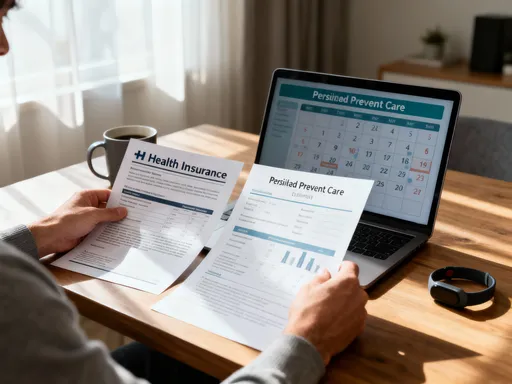
Importantly, self-tracking does not replace professional care — it enhances it. When you bring consistent data to your doctor, you enable more meaningful conversations. Rather than relying on memory or isolated tests, you offer a timeline of your health. This collaboration leads to more accurate assessments and tailored recommendations. The science is clear: early detection, informed decisions, and active participation lead to better health outcomes. Monitoring is not about replacing medicine; it’s about making medicine work better for you.
Tools That Work: From Smartwatches to Simple Journals
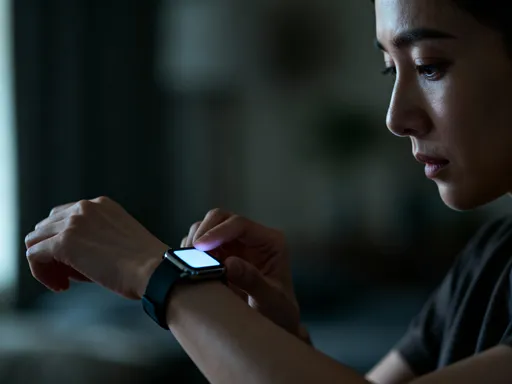
The good news is that health monitoring does not require expensive or complicated technology. A range of tools — from high-tech wearables to low-cost journals — can support consistent tracking, depending on your needs, budget, and comfort level. Wearable devices like fitness trackers and smartwatches have become increasingly accessible, offering features such as heart rate monitoring, sleep tracking, step counting, and even blood oxygen measurement. These devices provide real-time feedback and automate data collection, making it easier to stay consistent without constant manual input.
However, technology is not the only option — and it’s not always the best one. Some women prefer the simplicity of a paper journal, where they can record how they feel each morning, note their energy levels, and track meals or symptoms. This method encourages mindfulness and reflection, allowing space to notice patterns without digital distractions. Mobile apps also offer a middle ground, combining ease of use with structured tracking forms for mood, hydration, menstrual cycles, or medication schedules. The key is choosing a method that fits your lifestyle and feels sustainable over time.
When selecting tools, consider accuracy, usability, and consistency. A device that is uncomfortable to wear or difficult to sync may be abandoned quickly. Similarly, an app with too many fields or complex settings can lead to frustration. Start simple. You might begin by tracking just one or two metrics — such as morning blood pressure and sleep duration — and gradually add more as the habit becomes routine. Look for tools that integrate easily into your day, whether it’s a scale that stores data automatically or a notebook kept beside your bed for nightly reflections.
It’s also important to avoid the trap of data overload. More information is not always better. Tracking every possible metric can become overwhelming and counterproductive. Focus on what matters most to you — whether that’s managing stress, improving sleep, or supporting heart health. Choose tools that help you answer specific questions, not ones that generate endless numbers without context. The goal is insight, not information for its own sake. With the right tools, monitoring becomes less of a chore and more of a natural part of your daily rhythm.
Building a Daily Routine: Small Habits, Big Impact
Integrating health monitoring into daily life doesn’t require a complete lifestyle overhaul. The most effective approach is to build small, consistent habits that fit naturally into existing routines. This concept, known as habit stacking, involves linking a new behavior to an established one. For example, if you already make coffee every morning, use that time to check your blood pressure or jot down how you slept. If you brush your teeth at night, place your journal or tracker nearby to record your day’s activity or mood before bed. These tiny moments, repeated daily, create lasting change.
Start with a single, manageable goal. Trying to track everything at once — sleep, food, mood, vitals — can lead to burnout. Instead, pick one area that feels most relevant. If fatigue is a concern, begin by tracking sleep duration and quality for two weeks. If stress is high, monitor heart rate in the morning and evening. Over time, these observations reveal patterns that guide further action. The focus should be on consistency, not perfection. Missing a day is not failure — it’s part of being human. What matters is returning to the practice without judgment.
Another key to success is setting realistic expectations. Health monitoring is a long-term commitment, not a short-term fix. It’s normal to feel uncertain or unmotivated at times. When motivation fades, rely on structure. Set reminders, use checklists, or involve a trusted friend for accountability. Some women find it helpful to review their data weekly — every Sunday evening, for instance — to reflect on trends and adjust habits. This regular review turns tracking into a tool for growth, not just observation.
Finally, celebrate progress. Notice when you feel more alert, when your blood pressure stabilizes, or when you recognize a stress trigger before it overwhelms you. These are victories. They reflect increased awareness and control. By treating monitoring as a form of self-care — not a chore or punishment — it becomes something you value, not avoid. Over time, these small habits compound, leading to greater confidence, better health, and a deeper connection to your body.
From Data to Action: Making Sense of What You Track
Collecting data is only the first step. The true value of health monitoring lies in interpreting that information and using it to make informed decisions. This requires stepping back from individual numbers and looking for trends. A single high blood pressure reading, for example, may be caused by stress, lack of sleep, or even a rushed morning. But if readings consistently rise over several weeks, that pattern signals a need for attention. The same applies to mood, energy, or glucose levels — isolated points are less meaningful than the overall direction.
Learning to recognize correlations is a powerful skill. You might notice that on days when you walk for 30 minutes, your evening heart rate is lower and your mood is more stable. Or that when you skip breakfast, your afternoon focus suffers. These insights allow you to adjust your behavior with purpose. Rather than making random changes, you respond to your body’s feedback. This builds confidence and reinforces the connection between choices and outcomes.
It’s also important to avoid overreacting to data. Health tracking can sometimes trigger anxiety, especially if numbers fluctuate. Remember, variability is normal. The body is not a machine with fixed settings — it responds to countless internal and external factors. The goal is not to achieve perfect numbers every day, but to understand your personal baseline and recognize meaningful shifts. If a trend concerns you, don’t make drastic changes on your own. Instead, bring the data to your healthcare provider. Share your journal, print your tracker reports, or summarize your observations. This collaboration ensures that interpretations are accurate and recommendations are safe.
Ultimately, tracking should lead to action — but thoughtful, sustainable action. It might mean adjusting your diet, increasing physical activity, improving sleep hygiene, or discussing medication options with your doctor. The process transforms abstract health goals into concrete steps. Instead of saying, “I want to be healthier,” you can say, “I’m walking 20 minutes after dinner because it helps my blood pressure.” That clarity makes change possible — and lasting.
Long-Term Gains: How Monitoring Transforms Disease Management
For women managing chronic conditions such as hypertension, diabetes, or thyroid disorders, health monitoring is not just helpful — it’s transformative. Daily tracking fosters a deeper understanding of how lifestyle, medication, and stress interact. Over time, this awareness leads to better medication adherence, as women see the direct impact of taking their prescriptions consistently. It also supports more effective doctor visits, where discussions are based on data rather than memory, leading to more precise adjustments in treatment plans.
Consider the case of Maria, a 48-year-old with type 2 diabetes. After starting glucose monitoring, she discovered that her morning readings were higher on days when she ate late at night. With this insight, she adjusted her dinner time and portion sizes, resulting in more stable blood sugar levels. Her doctor was able to reduce her medication dosage, and Maria reported feeling more energetic and in control. This kind of outcome is not unusual. Studies show that patients who actively monitor their condition experience fewer complications, hospitalizations, and disease flare-ups.
Beyond physical benefits, ongoing monitoring builds emotional resilience. Living with a chronic illness can feel unpredictable and overwhelming. Tracking introduces a sense of agency. You are no longer at the mercy of symptoms — you are observing, learning, and responding. This shift fosters confidence and reduces anxiety. Many women report feeling more empowered, less isolated, and more connected to their health journey. They begin to see monitoring not as a burden, but as an act of self-respect.
Even for those without a diagnosis, the long-term benefits are clear. Consistent tracking supports healthy aging by identifying risks early and promoting sustainable habits. It encourages mindfulness, reduces stress, and strengthens the mind-body connection. Over years, these practices contribute to greater independence, vitality, and quality of life. Health monitoring is not a temporary fix — it’s a lifelong commitment to living with intention and care.
Health monitoring isn’t about obsession — it’s about awareness. By paying attention to your body’s signals and using tools wisely, you gain power over your well-being. This practice isn’t just for managing illness; it’s a lifelong commitment to living smarter, stronger, and more intentionally. For women in midlife, who often give so much to others, this is a form of self-respect. It’s a way to honor your body, understand its needs, and take meaningful action — not when a crisis hits, but every single day. The journey begins not with a diagnosis, but with a simple decision: to listen.