How I Turned Back the Clock with This Daily Move Routine
What if aging wasn’t something to fear, but something you could actually influence? I used to feel stiff, tired, and like my body was slipping away—until I discovered how specific daily movements could reset my energy, posture, and strength. This isn’t about intense workouts or extreme diets. It’s about consistent, smart exercise that works with your body. After months of testing and adjusting, the changes were real. Let me walk you through what actually works.
The Silent Signs of Aging No One Talks About
Many people assume aging only shows up in visible ways—gray hair, wrinkles, or needing reading glasses. But beneath the surface, more significant changes are quietly taking place, often starting as early as age 30. One of the most under-discussed shifts is the gradual loss of muscle mass, known as sarcopenia. After 30, adults can lose 3 to 5 percent of their muscle strength every decade, and that decline accelerates after 60 if no action is taken. This isn’t just about looking weaker; it affects how you move, how much energy you have, and even your ability to recover from everyday fatigue.
Muscle isn’t just for lifting heavy things—it plays a vital role in metabolism, blood sugar regulation, and joint support. When muscle mass decreases, your resting metabolic rate slows down, making it easier to gain weight even if your eating habits haven’t changed. You might notice that stairs feel harder, standing up from a chair requires more effort, or you’re less steady on your feet. These aren’t just “normal parts of aging.” They’re signs that your body is losing functional capacity, and movement is the most direct way to reverse that trend.
Joint stiffness is another silent symptom. Over time, inactivity leads to reduced synovial fluid—the lubricant in your joints—which can make movement feel painful or restricted. This often creates a cycle: it hurts to move, so you move less, which makes it hurt more. Meanwhile, balance and coordination begin to decline, increasing the risk of falls, which are a leading cause of injury among older adults. The good news? These changes are not inevitable. Research shows that even moderate physical activity can significantly slow, and in some cases reverse, these effects. Movement is not just a way to stay active—it’s a form of biological maintenance.
Why Exercise Is the Most Powerful Anti-Aging Tool You’re Ignoring
In a world full of anti-aging creams, supplements, and high-tech treatments, one of the most effective tools is often overlooked: exercise. Unlike topical solutions that address surface-level concerns, physical activity works at the cellular level to slow down the biological clock. Numerous studies, including long-term research from the National Institutes of Health and the American College of Sports Medicine, confirm that regular movement improves mitochondrial function—the energy factories within your cells—reduces chronic inflammation, and supports cardiovascular and cognitive health.
One of the most compelling findings involves telomeres, the protective caps at the ends of your chromosomes that shorten as you age. Shorter telomeres are linked to cellular aging and higher risks of age-related diseases. However, studies have shown that people who engage in consistent physical activity tend to have longer telomeres than their sedentary peers. This suggests that exercise doesn’t just make you feel younger—it may actually help your cells stay biologically younger.
Exercise also improves insulin sensitivity, which helps regulate blood sugar and reduces the risk of type 2 diabetes, a condition that becomes more common with age. Additionally, it supports brain health by increasing blood flow and stimulating the growth of new neurons, particularly in the hippocampus, the area responsible for memory and learning. Physical activity has even been linked to a lower risk of cognitive decline and dementia. When you move your body, you’re not just preserving your physical health—you’re protecting your mind. Unlike pills or potions with uncertain results, exercise is a proven, science-backed strategy for living longer and healthier.
The 4 Movement Pillars That Actually Reverse Aging Signs
Not all forms of exercise deliver the same benefits when it comes to longevity. To truly combat the effects of aging, your routine should include four essential types of movement: strength training, cardiovascular conditioning, flexibility work, and balance practice. Together, these pillars create a complete, sustainable fitness foundation that supports every system in your body. Think of them as the four legs of a chair—remove one, and the whole structure becomes unstable.
Strength training is perhaps the most critical for aging well. Lifting weights—or using resistance bands, body weight, or household items—helps rebuild and maintain muscle mass. This not only improves strength but also boosts metabolism, supports bone density, and enhances posture. Just two to three sessions per week, focusing on major muscle groups like legs, back, chest, and core, can make a noticeable difference in energy and stability. You don’t need a gym; simple exercises like squats, wall push-ups, or step-ups can be done at home.
Cardiovascular conditioning keeps your heart and lungs strong. Activities like brisk walking, cycling, swimming, or dancing improve circulation, lower blood pressure, and increase stamina. The key is consistency, not intensity. Aim for at least 150 minutes of moderate aerobic activity per week, which can be broken into 30-minute sessions five days a week. Walking, in particular, is a low-impact, accessible form of cardio that also supports mental clarity and emotional well-being.
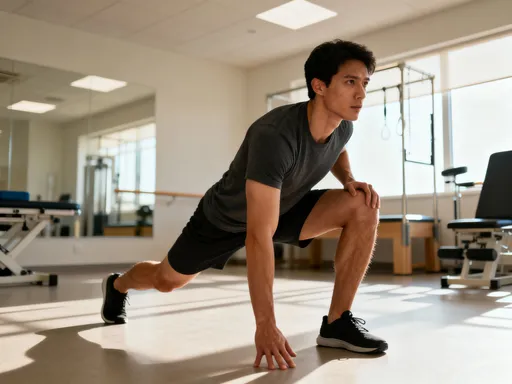
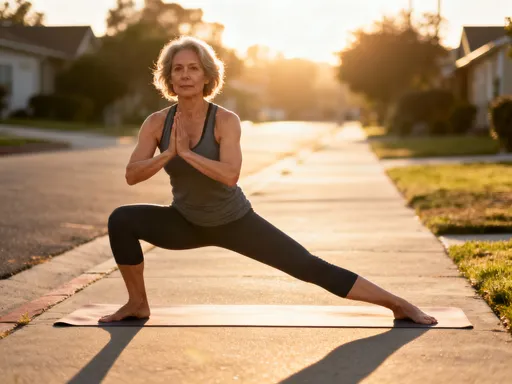
Flexibility work, such as stretching or yoga, maintains your range of motion and prevents stiffness. Tight muscles and connective tissues can lead to poor posture, joint pain, and reduced mobility. Incorporating gentle stretching into your daily routine—especially after warming up or at the end of the day—helps keep your body supple and reduces the risk of injury. Focus on major areas like hips, shoulders, hamstrings, and spine.
Balance practice is often neglected but crucial for preventing falls and maintaining independence. Simple exercises like standing on one foot, heel-to-toe walking, or tai chi improve coordination and proprioception—the body’s ability to sense its position in space. These skills become increasingly important as you age, helping you stay steady on uneven surfaces or when reaching for objects. Together, these four movement types create a powerful synergy that enhances both physical function and quality of life.
Building Your Daily Anti-Aging Routine: Simple, Doable, Effective
The most effective exercise program is the one you can stick with—and that means designing a routine that fits your life, not the other way around. You don’t need hours at the gym or complicated equipment. A sustainable daily movement plan can be built around small, consistent actions that add up over time. The goal isn’t perfection; it’s progress through repetition.
Start your day with five to ten minutes of morning mobility drills. These gentle movements wake up your joints and muscles, improve circulation, and set a positive tone for the day. Try neck rolls, shoulder circles, seated spinal twists, or ankle circles. You can do these while still in your robe or before breakfast. This isn’t intense exercise—it’s about signaling to your body that it’s time to move.
Next, incorporate a short strength session two to three times a week. On non-strength days, focus on other forms of movement. A 15- to 20-minute routine using body-weight exercises is enough to maintain muscle. For example: 10 chair squats, 10 wall push-ups, 10 glute bridges, and a 30-second plank. As you get stronger, you can add resistance with light dumbbells or resistance bands. The key is to challenge your muscles without straining them.
Make daily walking a non-negotiable habit. Whether it’s a morning stroll, a lunchtime loop around the block, or an evening walk with a partner or pet, aim for at least 30 minutes most days. If you’re short on time, break it into three 10-minute walks—they’re just as effective. Walking meetings, parking farther from store entrances, or taking the stairs are easy ways to add more steps without disrupting your schedule.
End your day with evening stretching to release tension and support recovery. Focus on areas that feel tight—often the lower back, hips, and shoulders. Try a seated forward bend, a gentle chest opener against a wall, or lying on your back with knees pulled to your chest. This practice not only improves flexibility but also promotes relaxation, which can enhance sleep quality. Over time, these small habits become automatic, forming a rhythm that supports lifelong health.
How to Stay Motivated When Results Don’t Come Overnight
One of the biggest challenges in any long-term health journey is staying motivated when changes aren’t immediately visible. Unlike weight loss, which can be measured on a scale, the benefits of anti-aging exercise often show up in subtle, non-visual ways. You might sleep more deeply, feel less stiffness in the morning, have more energy to play with grandchildren, or find it easier to carry groceries. These are real victories, even if they don’t show up in a mirror.
Because progress is gradual, it’s easy to feel discouraged, especially in the first few weeks. This is where mindset matters. Instead of focusing on dramatic transformations, shift your attention to daily function. Ask yourself: Can I get up from the floor more easily? Do I feel steadier on my feet? Am I less winded after climbing stairs? These are meaningful indicators of improvement. Keeping a simple journal to track how you feel—energy levels, mood, physical comfort—can help you recognize progress that might otherwise go unnoticed.
Another powerful motivator is routine. When movement becomes a regular part of your day, like brushing your teeth or making coffee, it no longer feels like a chore. Habit stacking—linking a new behavior to an existing one—can help. For example, do a few stretches after brushing your teeth, or take a short walk right after lunch. Over time, these actions become automatic. Celebrate consistency, not perfection. Missing a day isn’t failure; it’s part of being human. The key is to return to your routine without guilt or self-criticism. Motivation follows action, not the other way around.
Common Mistakes That Sabotage Long-Term Success
Many people start an exercise program with enthusiasm but lose momentum within weeks. Often, this isn’t due to lack of willpower—it’s because of avoidable mistakes that lead to burnout, injury, or frustration. Recognizing these pitfalls can help you build a routine that lasts.
One of the most common errors is overtraining. Jumping into intense workouts without building a foundation can lead to soreness, fatigue, and even injury. Your body needs time to adapt. Starting slowly and gradually increasing intensity allows your muscles, joints, and cardiovascular system to adjust safely. It’s better to do a little each day than to push too hard and have to stop altogether.
Another mistake is ignoring recovery. Rest days are not a sign of laziness—they’re essential for muscle repair and growth. Without adequate recovery, your body can’t rebuild, and you increase your risk of overuse injuries. Make sure to include at least one or two rest days per week, and listen to your body. If you’re feeling unusually sore or tired, it’s okay to take an extra day off or switch to a gentler activity like walking or stretching.
Many people also skip balance and flexibility work, focusing only on strength or cardio. But these components are just as important for long-term mobility and injury prevention. Neglecting them creates imbalances that can lead to falls or joint strain. Make sure your routine includes all four movement pillars, even if you spend less time on some than others.
Finally, poor form increases the risk of injury, especially as you age. It’s better to do fewer repetitions with proper technique than to rush through exercises incorrectly. If you’re unsure about your form, consider working with a certified trainer, even for just one or two sessions, or use reputable online resources with clear demonstrations. Quality always trumps quantity.
Making It Last: Turning Exercise into a Lifelong Habit
Sustainability is the ultimate goal of any anti-aging movement routine. The best exercise plan isn’t the one that delivers fast results—it’s the one you can maintain for years, even decades. This means designing a program that adapts to your changing body, fits your lifestyle, and, most importantly, brings you joy.
Your body will change over time, and so should your routine. What works at 45 might need adjustments at 55 or 65. Maybe you switch from high-impact walking to swimming, or replace floor exercises with seated versions. The key is to stay active, not rigid. Flexibility in your approach ensures longevity in your practice.
Community and accountability can also make a big difference. Exercising with a friend, joining a local walking group, or participating in a senior fitness class adds social connection, which boosts motivation and emotional well-being. Even sharing your progress with family members can create a sense of purpose and encouragement.
But perhaps the most important factor is enjoyment. If you dread your workouts, you won’t stick with them. Find activities you genuinely like—dancing, gardening, playing with pets, or practicing tai chi. When movement feels like a gift rather than a punishment, it becomes self-reinforcing. View it not as a chore to check off, but as a daily act of self-respect—a way of saying, “I value my health, my independence, and my future.”
Over time, the benefits compound. You’ll likely notice more energy, better sleep, improved mood, and greater confidence in your body’s abilities. These are not just perks—they’re signs that you’re aging on your own terms. Exercise isn’t about turning back the clock in a literal sense. It’s about making the time you have richer, stronger, and more vibrant. And that’s a promise worth keeping—to yourself, today and for all the years to come.