How I Built a Smarter Safety Net for My Health—Without Breaking the Bank
What if staying healthy didn’t just save your body—but also your wallet? I used to treat medical checkups as optional, until a small issue turned into a costly lesson. That’s when I shifted from reacting to crises to building a system that prevents them. This isn’t about expensive insurance or extreme budgeting—it’s a practical, step-by-step approach to managing preventive healthcare the smart financial way. Let me show you how I did it, and how you can too.
The Wake-Up Call: When a Minor Issue Became a Major Expense
It started with fatigue—nothing dramatic, just a persistent lack of energy that I chalked up to a busy schedule. I had skipped my annual physical for three years, telling myself I felt fine and couldn’t justify the time or cost. My blood pressure was slightly elevated during a workplace screening, but I dismissed it. After all, I wasn’t experiencing chest pain or dizziness. I wasn’t sick, so why worry?
Then came the call from my doctor’s office. A routine lab test, ordered during a brief visit for a minor infection, flagged abnormal kidney function. Further evaluation revealed early-stage hypertension-related damage. What could have been managed with lifestyle changes and low-cost medication years earlier now required specialist consultations, imaging, and a strict medication regimen. The total cost for diagnosis and initial treatment exceeded $4,000—more than five times what I would have spent on regular preventive care over the same period.
That moment changed my perspective completely. I realized I hadn’t been saving money by skipping checkups—I had been accumulating risk. Every missed screening, every ignored symptom, was like leaving a financial blind spot wide open. Healthcare costs aren’t just about illness; they’re about timing. Delaying prevention doesn’t eliminate expense—it compounds it. The financial burden of treating a condition in its advanced stages is almost always higher than the cost of catching it early. For me, this wasn’t just a health scare; it was a financial wake-up call.
Reframing Healthcare: From Cost to Investment
Before my diagnosis, I saw doctor visits as a necessary evil—an expense with no immediate return. I paid for prescriptions, co-pays, and lab work the way I paid a utility bill: reluctantly and without much thought. But after facing a preventable condition that led to significant medical spending, I began to view preventive care differently. Instead of a cost, I started to see it as an investment—one with measurable financial returns.
Consider this: managing type 2 diabetes can cost an average of $16,750 per year in medical expenses and lost productivity, according to the American Diabetes Association. In contrast, annual screenings like HbA1c tests and routine blood glucose monitoring typically cost less than $200 and are often fully covered by insurance. The return on investment is clear. Preventing or delaying the onset of chronic disease isn’t just healthier—it’s more economical.
I began tracking my health-related spending not as a line item to minimize, but as a protective measure against future financial shocks. Just as homeowners invest in smoke detectors and fire extinguishers not because they expect a fire, but because they understand the cost of being unprepared, I now treat preventive care as a form of financial risk mitigation. Blood pressure checks, cholesterol panels, cancer screenings—these aren’t luxuries. They are early-warning systems that help avoid much larger expenses down the road. This shift in mindset—from reactive spender to proactive investor—was the foundation of my new approach.
Building a System: How I Organized My Preventive Finance Plan
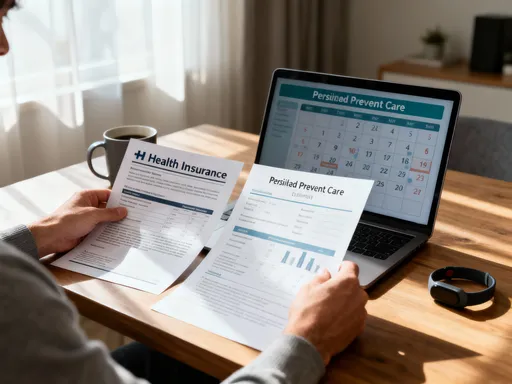
After my experience, I knew I couldn’t rely on memory or good intentions. I needed structure. I began by creating a personal health finance calendar—a simple but powerful tool that integrates medical appointments, wellness goals, and budget planning. Using a digital calendar synced across my phone and computer, I mapped out all recommended preventive services based on my age, gender, and family history.
For example, I scheduled my annual physical, mammogram, dental cleanings, and eye exam at consistent times each year. I also added reminders for vaccinations like the flu shot and Tdap booster. But I didn’t stop there. I aligned these appointments with my pay schedule—booking them shortly after payday so I could cover any potential out-of-pocket costs without strain. I also reviewed my insurance renewal dates and scheduled key tests just before the new plan year, ensuring I maximized my annual benefits.
This system eliminated last-minute scrambling and helped me anticipate expenses. I could see six months ahead what was coming up and plan accordingly. It also reduced decision fatigue. Instead of asking myself, “Should I go to the doctor this month?” I simply followed the calendar. Over time, this consistency led to earlier detection of minor issues—like a slightly elevated thyroid level—that were easily managed before they became serious. More importantly, I stopped viewing these visits as interruptions to my life and started seeing them as essential maintenance, like servicing a car to avoid a breakdown. The calendar became my financial and health anchor.
Maximizing Coverage: Using Insurance the Right Way
One of the biggest mistakes I made early on was misunderstanding what my insurance actually covered. I assumed preventive care wasn’t included or that I’d still face high co-pays. But under the Affordable Care Act, most private insurance plans are required to cover a wide range of preventive services without charging deductibles, co-pays, or coinsurance—as long as you use in-network providers.
I took the time to read my plan’s summary of benefits and found that services like colonoscopies, cervical cancer screenings, depression assessments, and even obesity counseling were fully covered. I had been paying out of pocket for some lab tests simply because I didn’t know they were included. Once I learned to distinguish between preventive and diagnostic services, I could make smarter choices. For instance, a cholesterol test during an annual physical is preventive and free; the same test ordered because of symptoms may be considered diagnostic and subject to cost-sharing.
I also discovered wellness incentives offered through my employer’s health plan. By completing a health risk assessment and participating in a biometric screening, I earned a $150 credit toward my health savings account. Some plans even reimburse gym memberships up to $800 a year or offer discounts on fitness trackers. These aren’t gimmicks—they’re designed to encourage healthy behaviors that reduce long-term costs for both the insurer and the individual. By taking full advantage of these benefits, I’ve redirected hundreds of dollars back into my budget while improving my health. Knowledge of my coverage became one of my most powerful financial tools.
Smart Spending: Where to Cut and Where to Invest
As I became more intentional about preventive care, I also reevaluated how I was spending money on wellness. I used to buy expensive supplements—vitamin C gummies, collagen powders, immune boosters—without knowing if they were effective. I followed trends: juice cleanses, detox teas, miracle creams. Over time, I realized I was spending over $200 a month on products with little scientific backing.
I decided to redirect that money toward evidence-based prevention. Instead of supplements, I invested in nutrition counseling covered by my insurance. A registered dietitian helped me create a balanced eating plan that addressed my family’s history of heart disease. I also used a sleep tracking app recommended by my doctor, which identified patterns of poor rest affecting my energy and mood. By improving my sleep hygiene, I reduced daytime fatigue and avoided the temptation to rely on caffeine or energy drinks.
I also began comparing lab costs using transparent pricing tools provided by my insurer. I discovered that the same blood panel could cost $280 at one facility and $90 at another—both in-network. By choosing the lower-cost option, I saved nearly $200 in one visit. These savings weren’t one-time wins—they added up over time. Every dollar I redirected from unproven wellness fads to high-value preventive services strengthened my financial resilience. I wasn’t cutting corners; I was spending smarter. Prevention became my priority, and wasteful spending fell away naturally.
Risk Control: Preparing for the Unpredictable
No system can eliminate all health risks. Even with regular checkups and healthy habits, unexpected issues can arise. That’s why I paired my preventive plan with a dedicated emergency health fund. This is a separate savings account—unrelated to my general emergency fund—specifically for medical co-pays, prescriptions, or uncovered services.
I started small, setting aside $50 per month. Within a year, I had saved $600. When I needed a follow-up MRI that wasn’t fully covered, I paid for it without touching my main savings or going into debt. Knowing I had this cushion reduced anxiety and gave me more control over my care. I didn’t have to delay necessary tests because of cost concerns. This fund isn’t meant to grow wealth—it’s a safety net, designed to protect against financial disruption.
I also reviewed my employer benefits and enrolled in a health savings account (HSA) paired with a high-deductible health plan. The contributions are tax-deductible, the funds grow tax-free, and withdrawals for qualified medical expenses are also tax-free. I contribute enough each month to receive the full employer match—essentially free money. I use the HSA to pay for prescriptions, over-the-counter medications (with a doctor’s note), and even some telehealth visits. This triple tax advantage makes it one of the most powerful financial tools available for health expenses. Together, the emergency fund and HSA form a layered defense against the financial impact of illness.
Long-Term Gains: Health and Wealth Growing Together
Three years into my preventive health strategy, the results are clear. I’ve had no major medical events. My blood pressure is under control. My cholesterol levels have improved. I’ve avoided hospital visits, specialist referrals, and expensive treatments. But beyond the health benefits, the financial impact has been significant. I’ve spent less on medical care annually than I did before—despite seeing doctors more often.
Because I’ve stayed healthy, I’ve taken fewer sick days, which means more income and greater job stability. My insurance premiums have remained stable, while colleagues with chronic conditions have seen increases. I’ve avoided the hidden costs of illness—like transportation to frequent appointments, lost productivity, or caregiving responsibilities. Every preventive step I’ve taken has paid compound interest, both physically and financially.
Today, I see wellness and wealth not as separate goals, but as interconnected parts of a sustainable life. By acting early, consistently, and strategically, I’ve built a system where staying healthy actually saves money. It’s not about perfection—there are still days I skip the gym or eat too much sugar. But the framework holds. I’ve replaced fear and avoidance with planning and empowerment. This isn’t a short-term fix; it’s a lifelong approach to protecting what matters most—my health and my financial peace of mind.