How I rebuilt strength after injury—my science-backed rehab plan that actually works
Recovering from an injury can feel overwhelming, especially when you're unsure where to start. I’ve been there—frustrated, stuck, and searching for real answers. Through trial, error, and guidance from professionals, I discovered a rehabilitation training approach grounded in science, not hype. This is my journey, not as a doctor, but as someone who wanted to regain movement, stability, and confidence. What helped wasn’t magic—it was consistency, smart progression, and understanding the why behind each step. Healing doesn’t happen in a straight line, but with the right framework, progress is possible. This article shares that framework—practical, evidence-based, and built for real people managing real recovery.
The Wake-Up Call: Facing Injury and the Need for Real Recovery
Injuries often arrive without warning. One day you're walking up the stairs without a second thought; the next, a sharp pain stops you mid-step. For many women between 30 and 55, this moment is more than physical—it disrupts routines, responsibilities, and self-image. Whether it’s a knee that gives out during a walk, a shoulder that aches when lifting a child, or a back that tightens after gardening, the impact spreads far beyond the body. Daily tasks become daunting. Confidence erodes. The emotional toll—frustration, fear of reinjury, even isolation—can be just as limiting as the physical pain.
At first, rest seems like the logical response. And in the acute phase, it often is. But prolonged inactivity can do more harm than good. Joints stiffen, muscles weaken, and movement patterns shift—often without awareness. The body adapts to stillness, not strength. Many people fall into the trap of passive recovery: waiting for pain to subside before resuming activity, hoping the body will simply “heal on its own.” But true recovery isn’t passive. It’s an active process that requires intention, education, and structure.
What changed for me was realizing that healing isn’t just about time—it’s about what you do with that time. A structured rehabilitation plan doesn’t rush the process; it guides it. It replaces guesswork with purpose. Instead of asking, “When can I go back to normal?” the better question becomes, “What do I need to rebuild to make normal stronger than before?” This mindset shift—from waiting to engaging—was the first real step toward lasting recovery.
Rehab Science 101: How the Body Actually Heals and Adapts
Understanding how the body repairs itself isn’t just reassuring—it’s empowering. When tissue is injured, whether it’s a muscle strain, tendon irritation, or ligament sprain, the body initiates a complex but orderly healing process. This process has three overlapping phases: inflammation, repair, and remodeling. The initial inflammatory phase, often viewed as something to suppress, is actually essential. It brings immune cells and nutrients to the site, clearing damaged tissue and laying the groundwork for new growth. Eliminating inflammation completely—through excessive ice or anti-inflammatory medication—can interfere with this natural healing cascade.
Next comes the repair phase, where the body builds new tissue using collagen fibers. This new tissue is initially disorganized, like a patch on a tire. It’s functional but not yet strong. The final phase, remodeling, can last weeks or even months. During this time, the body strengthens and aligns the new tissue in response to mechanical stress. This is where rehabilitation becomes critical. Without appropriate loading, the tissue remains weak and prone to re-injury. With the right stimulus, it becomes more resilient than before.
Equally important is neuromuscular re-education—the brain’s ability to re-establish control over injured areas. After an injury, movement patterns change. The brain learns to avoid pain by recruiting other muscles, leading to compensation. Over time, these compensations become habitual, even after the original injury has healed. Rehabilitation isn’t just about the tissue; it’s about retraining the nervous system to move efficiently and safely. This is why movement, carefully applied, is medicine. It signals the body to adapt, strengthen, and reconnect.
Building the Foundation: Stability, Mobility, and Breathing Relearned
Before strength can return, the foundation must be rebuilt. This means restoring mobility, stability, and proper breathing mechanics—three elements often overlooked in early recovery. Mobility refers to the ability of a joint to move freely through its range. After injury, swelling, pain, and inactivity can lead to stiffness. But forcing movement too aggressively can irritate healing tissue. The key is gentle, controlled motion—such as heel slides for the knee or pendulum swings for the shoulder—that maintains joint lubrication and prevents scar tissue from restricting movement.
Stability, particularly core stability, is equally vital. The core isn’t just about abs—it’s a system of deep muscles, including the transverse abdominis, multifidus, pelvic floor, and diaphragm, that work together to support the spine and pelvis. After injury, these muscles often “shut down” as the body protects itself. Re-activating them starts with simple floor-based exercises, like abdominal bracing or pelvic tilts, performed with precision and focus. These aren’t about intensity; they’re about re-establishing the connection between brain and muscle.
Breathing may seem unrelated, but it’s a cornerstone of recovery. Many people develop shallow, chest-dominant breathing patterns after injury, which increases muscle tension and reduces oxygen flow. Diaphragmatic breathing—deep, slow breaths that expand the belly—helps calm the nervous system, reduce pain sensitivity, and support core activation. Practicing this for just five minutes a day can improve movement quality and reduce stress, both of which support healing. Together, mobility, stability, and breathing form the base upon which all functional movement is built.
The Progression Principle: Why More Isn’t Always Better
One of the most common mistakes in rehabilitation is doing too much too soon. The desire to “push through” or “get back fast” is understandable, especially when progress feels slow. But the body adapts gradually, not instantly. The principle of progressive overload—applying slightly more stress than the body is used to—is essential for rebuilding strength. However, the dosage matters. Too little stimulus leads to no adaptation; too much leads to setbacks, flare-ups, or re-injury.
Progression should be guided by two key indicators: pain response and movement control. Mild discomfort during or after exercise may be normal, but sharp, lasting pain is a warning sign. Similarly, if form breaks down—knees caving in during a squat, shoulders hiking during a lift—it means the load is too high. The goal is to challenge the body without compromising quality. This often means starting with bodyweight exercises, high repetitions, and slow tempos before adding resistance.
Another important concept is tissue tolerance. Different tissues adapt at different rates. Muscles can respond quickly to exercise, often within days. Tendons, however, are slower—sometimes taking weeks or months to adapt to new loads. Rushing tendon rehabilitation can lead to chronic issues like tendinopathy. A science-backed approach respects these timelines, using gradual increases in frequency, duration, and intensity rather than sudden jumps in weight. Patience isn’t passive; it’s strategic. By respecting the body’s natural adaptation process, you build resilience, not risk.
Movement as Medicine: Integrating Functional Patterns
Rehabilitation shouldn’t stop at isolated exercises. The ultimate goal is to move confidently in daily life—bending, lifting, walking, reaching. This is where functional movement patterns come in. These are the natural, coordinated movements the body uses every day. Reintroducing them in a controlled way helps rebuild strength, balance, and confidence. Unlike gym machines that isolate muscles, functional exercises engage multiple joints and muscle groups, mimicking real-life activities.
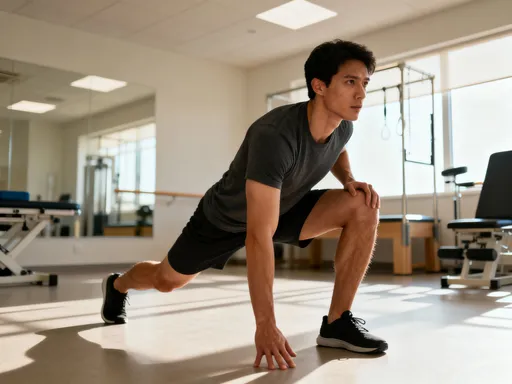
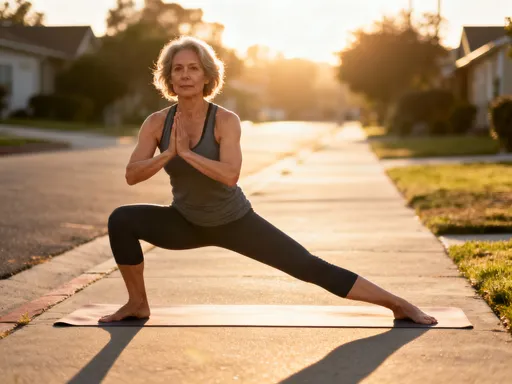
For example, a supported squat—using a chair or counter for balance—retrains the ability to sit down and stand up safely. It strengthens the hips, knees, and core while improving coordination. A step-up, performed slowly with control, rebuilds leg strength and stability, preparing the body for stairs. A controlled lunge, with attention to knee alignment and trunk stability, enhances balance and single-leg support. These movements are not about how much weight you can lift, but how well you can move.
Introducing functional patterns early, even in modified forms, helps the brain re-associate movement with safety rather than pain. This reduces fear-avoidance behavior—a common barrier in recovery where people avoid certain movements out of fear, leading to further deconditioning. By practicing these patterns with proper form and gradually increasing difficulty, you rebuild not just strength, but trust in your body. This trust is essential for returning to activities you love, whether it’s playing with children, gardening, or walking without hesitation.
The Mind-Muscle Connection: Why Awareness Speeds Recovery
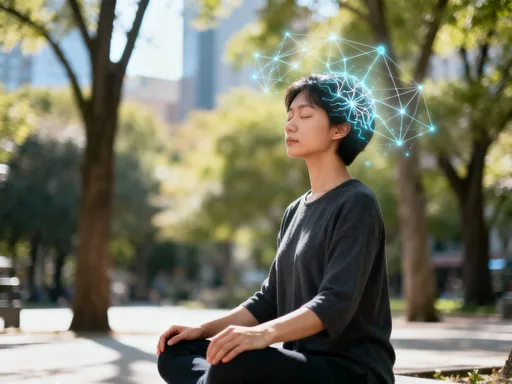
Recovery isn’t just physical—it’s neurological. After an injury, the brain’s map of the affected area can become模糊—less precise. This is called cortical reorganization. As a result, movements may feel awkward, uncoordinated, or “foreign.” Rebuilding this mind-muscle connection is a critical part of rehabilitation. It’s not enough to go through the motions; you must be present in them.
Motor control—the brain’s ability to activate the right muscles at the right time—is trained through focus and repetition. Slow, deliberate repetitions allow the nervous system to refine movement patterns. Tactile cues, such as placing a hand on the abdomen during core exercises, enhance sensory feedback and improve activation. Visualization—mentally rehearsing a movement before performing it—has been shown in studies to strengthen neural pathways, even without physical movement. These techniques may seem subtle, but they accelerate re-education and improve outcomes.
Mindfulness during exercise also helps regulate the nervous system. Chronic pain and injury often keep the body in a heightened state of alert, increasing muscle tension and reducing healing capacity. By focusing on breath, form, and sensation, you shift from a stress response to a recovery state. This doesn’t mean ignoring pain, but learning to distinguish between discomfort that’s part of adaptation and pain that signals harm. This awareness builds confidence and reduces anxiety, both of which support long-term recovery.
Staying on Track: Monitoring Progress and Avoiding Plateaus
Progress in rehabilitation isn’t always visible. Unlike weight loss or muscle gain, improvements in mobility, stability, and coordination can be subtle. That’s why tracking matters. Relying solely on pain levels can be misleading—pain often decreases before function fully returns. More objective markers provide clearer feedback. These include range of motion (how far a joint can move), balance (ability to stand on one leg), and movement symmetry (comparing left and right sides).
Simple tests can help monitor these changes. For example, measuring how close you can reach forward while seated, or how long you can hold a single-leg stand, provides tangible data. Taking weekly photos or videos of key exercises can reveal improvements in form that aren’t obvious day-to-day. Journaling symptoms, energy levels, and activity tolerance also helps identify patterns and adjust the plan accordingly.
Plateaus are normal. There will be weeks when progress stalls, and frustration can creep in. This is where patience and professional guidance are essential. A physical therapist can assess your movement, identify hidden compensations, and introduce new challenges to break through stagnation. They can also ensure you’re not reinforcing poor habits. Regular check-ins—every few weeks or as needed—keep the plan on track and prevent setbacks. Remember, rehabilitation is not a solo journey. Collaborating with trained professionals increases your chances of success and reduces the risk of going off course.
Recovery Is a Process, Not a Race
Healing after an injury is not about speed; it’s about sustainability. There are no shortcuts to rebuilding strength, stability, and confidence. What works is a consistent, science-backed approach that respects the body’s natural healing timeline. This journey taught me that recovery isn’t just about returning to where I was—it’s about building a stronger, more resilient foundation for the future. Every small step, every mindful repetition, contributes to long-term well-being.
The most powerful tools in rehabilitation aren’t expensive gadgets or miracle treatments. They are patience, education, and professional support. By understanding the why behind each exercise, progressing wisely, and staying connected to your body, you reclaim not just movement, but control over your health. This isn’t a quick fix—it’s a lasting change. And for anyone feeling stuck after an injury, know this: progress is possible. It begins not with force, but with intention, one thoughtful step at a time.